
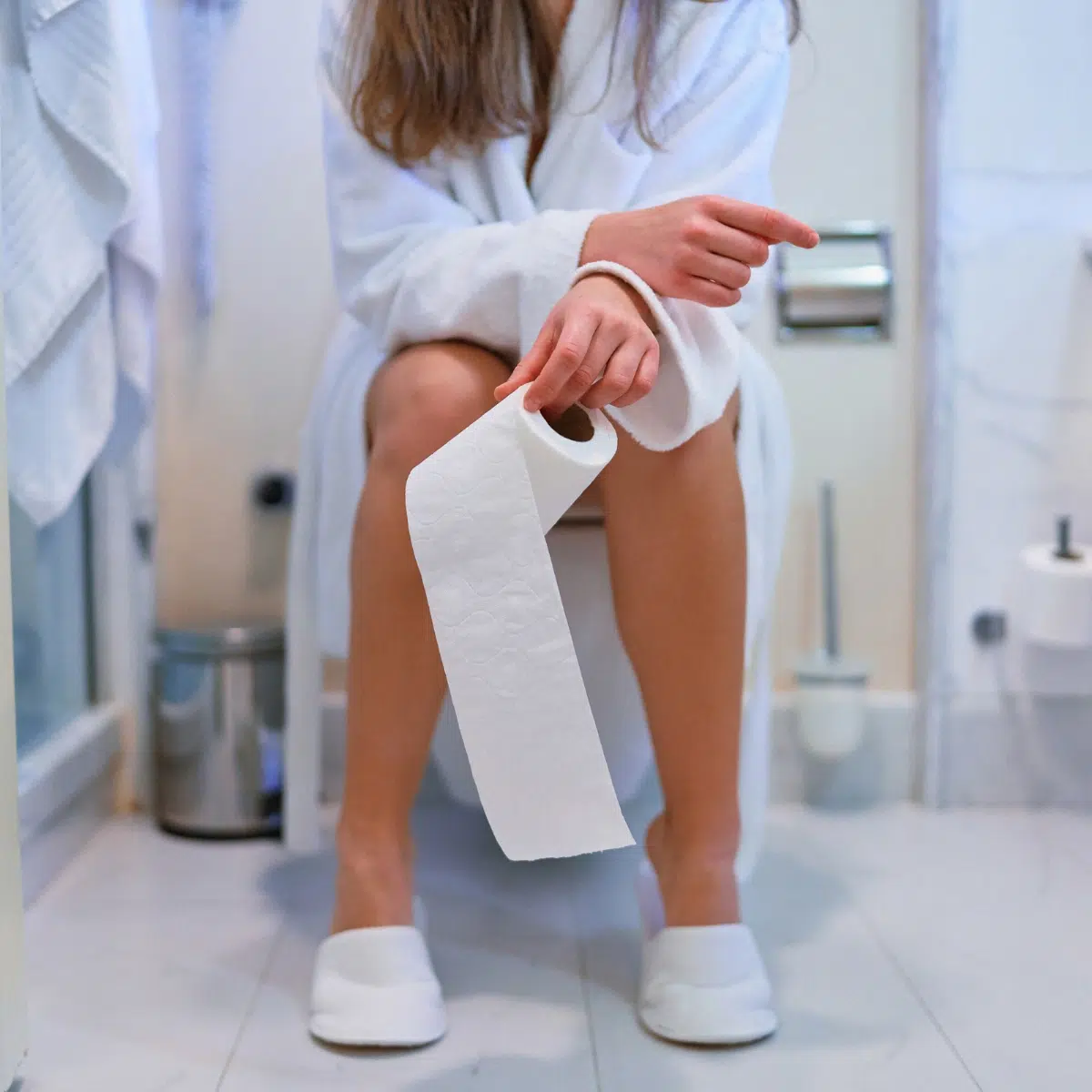
Constipation is more than just an occasional annoyance—it can have a big impact on your daily life, and believe it or not, your pelvic floor plays a huge role in keeping things moving smoothly!
Your Pelvic Floor: The Unsung Hero of Bowel Movements
The pelvic floor consists of muscles that support the bladder, bowel, and reproductive organs. These muscles need to work in harmony for comfortable and efficient bowel movements. If they’re too tight, weak, or out of sync, you might experience straining, incomplete emptying, and chronic constipation.
What Causes Pelvic Floor-Related Constipation?
Several factors can lead to constipation linked to pelvic floor dysfunction, including:
- Chronic Straining:Constant pushing can put excessive stress on your pelvic floor, leading to muscle fatigue and dysfunction.
- Toilet Posture Matters: The way you sit on the toilet can make a big difference! The right posture helps relax the pelvic floor and makes elimination easier.
- Stress & Anxiety: Your body holds tension in different areas—including the pelvic floor. High stress levels can lead to muscle tightness and constipation.
- Pregnancy & Childbirth: These can weaken or stretch pelvic floor muscles, sometimes leading to long-term bowel issues.
- Pelvic Floor Dyssynergia: A fancy term for when the pelvic floor muscles don’t relax properly during bowel movements.
Simple Ways to Keep Things Moving
You don’t have to struggle with constipation forever! Here are some easy and effective ways to support both your digestive and pelvic floor health:
- Get Your Posture Right: A footstool under your feet while on the toilet can align your rectum and make elimination easier.
- Relax & Breathe: Deep belly breathing and gentle pelvic floor stretches help release tension and improve coordination.
- Fibre & Hydration: A diet rich in fibre and plenty of water keeps stools soft and easy to pass.
- Stay Active: Regular movement supports digestion and prevents sluggish bowels.
- Pelvic Floor Physiotherapy: A specialist can help retrain your muscles and improve your bowel control with targeted exercises.
When to Seek Professional Help
If you’ve tried these strategies and still struggle with constipation, it might be time to see a pelvic health physiotherapist or doctor. Persistent bloating, straining, or difficulty emptying could be signs that you need extra support.
Final Thoughts
Your pelvic floor and digestive system are closely connected, and taking care of one supports the other! Small changes in posture, diet, and relaxation techniques can make a huge difference. By listening to your body and giving your pelvic floor the attention it deserves, you can enjoy a happier, healthier gut!