

Shoulder pain has a way of sneaking into everything. Reaching for a seatbelt, lifting a child, or rolling over in bed can suddenly feel sharp, weak, or restricted. For some people, it starts after sport or a fall, while for others it builds slowly from repetitive work or long hours at a desk.
The good news is that many shoulder problems respond well to the right plan. Physiotherapy for shoulder pain focuses on why the shoulder hurts, what’s limiting movement, and how to rebuild strength without aggravating symptoms. This article walks through common causes, what treatment looks like, and practical rehab tips. If you’re local, we’ll also highlight access to shoulder pain physiotherapy in Melbourne in Officer, Berwick, Pakenham and the surrounding areas.
Why Shoulder Pain Happens
The shoulder is built for mobility, which is fantastic for everyday life and sport, but that freedom comes with trade-offs. When small parts of the system fall out of sync, pain can show up quickly and linger.
The complexity of the shoulder joint
The shoulder has a wide range of motion but less inherent stability, so it relies on coordinated muscle control to stay focused and strong. That’s why shoulder pain physiotherapy often focuses on movement quality, not just painful spots.
Tendons, the shoulder blade, and posture all contribute to how the joint loads under stress, and small imbalances can trigger irritation or pinching sensations.
Common causes of shoulder pain
Many cases relate to rotator cuff tendon overload or tearing, which can feel worse with lifting and overhead movements and may need structured shoulder injury treatment. A stiff, painful “frozen shoulder” can develop when the capsule tightens, limiting reach and rotation.
Other causes include bursitis, instability or dislocation after trauma, poor workstation setup, and referred pain from the neck or upper spine, which a Melbourne shoulder physiotherapist can screen for during assessment.
How Physiotherapy Treats Shoulder Pain
A successful treatment plan starts with clarity and builds in steps. The goal of physiotherapy for shoulder pain is to reduce pain, restore confident movement, and return you to work, sport, and daily tasks with fewer flare-ups.
Comprehensive assessment and diagnosis
Assessment typically includes checking posture, shoulder blade control, neck involvement, range of motion, and strength across key muscle groups. A shoulder physiotherapist in Melbourne will ask about your work, training load, sleep positions, and what movements trigger symptoms.
This process helps pinpoint the source of pain so shoulder injury treatment targets the driver, not the symptom.
Pain reduction and movement restoration
Early sessions may include joint mobilisation and soft tissue techniques to stabilise sensitivity and help the shoulder move with less guarding. Some people respond well to dry needling or acupuncture for muscle tension, depending on presentation and preferences.
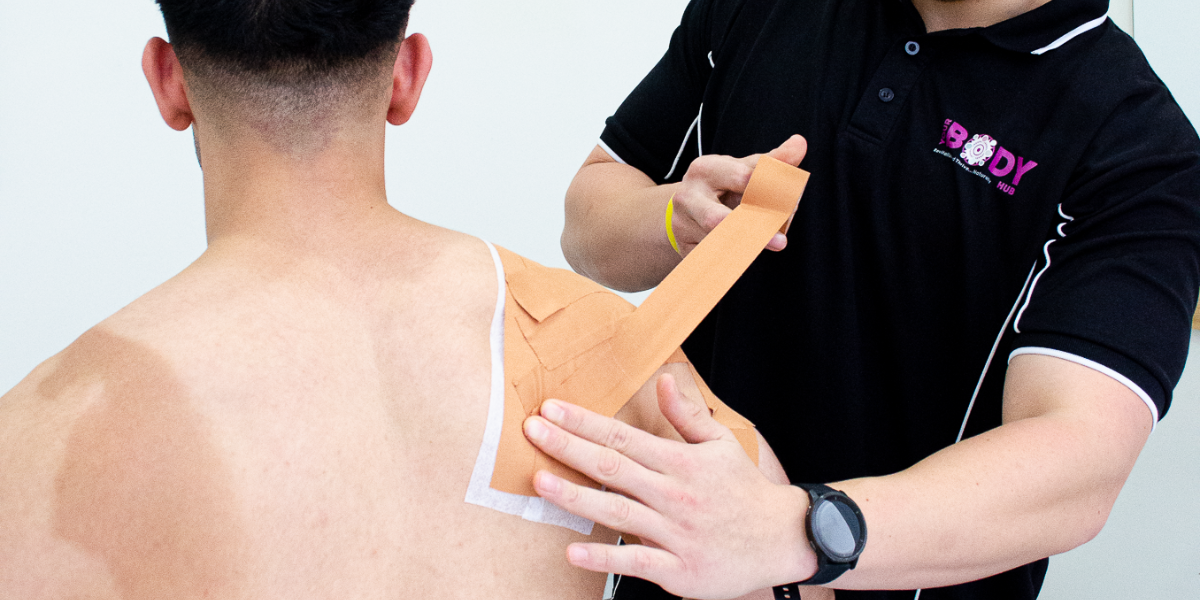
Taping may be used to support alignment and improve movement confidence, and it often pairs well with physiotherapy exercises for shoulder pain at home.
Progressive rehabilitation and strengthening
Rehab builds from restoring range into strengthening the rotator cuff, shoulder blade stabilisers, and upper back so the shoulder tolerates load again. You’ll often work on scapular stabilisation to improve shoulder blade control, which can reduce strain at the front of the shoulders.
Quality shoulder pain physiotherapy aims for long-term recovery, so the programme gradually progresses instead of chasing quick fixes.
The Stages of Shoulder Rehabilitation
Most shoulders improve best with a staged approach. Your symptoms, irritability, and goals guide how quickly you move through each phase of physiotherapy for shoulder pain.
In the early stage, the focus is on pain relief and gentle movement.
This stage focuses on calming irritation, reducing inflammation, and protecting the joint while keeping it moving. Gentle mobility drills are used to prevent stiffness and maintain circulation.
In the clinic, your shoulder physiotherapist in Melbourne may adjust activities and sleeping positions so everyday life feels easier while the shoulder settles.
Mid-stage – strength and control
As pain eases, resistance-based exercises build stability and improve control during reaching, lifting, and pushing. Coordination work helps the shoulder and shoulder blade share the load smoothly, reducing pinch points.
This phase is where shoulder injury treatment often becomes more active, with progressive loading that suits your job, sport, and tolerance.
Final stage – function and prevention
The final stage targets return to work, sport, and daily activities with confidence and repeatable performance. You’ll build resilience through realistic strength progressions, functional drills, and education that reduces recurrence.
Many people find this phase cements the value of shoulder pain physiotherapy because it focuses on keeping you well after the pain settles.
Practical Rehabilitation Tips and Exercises
These tips provide a helpful starting point, but your exact programme should match your diagnosis. If pain is sharp, worsening, or linked to trauma, book an assessment for physiotherapy for shoulder pain rather than guessing.
Foundational mobility exercises
Pendulum swings are a simple way to encourage gentle joint movement when the shoulder feels cranky or stiff. Wall crawls help improve overhead range gradually, keeping the movement controlled and within comfort.
In shoulder pain physiotherapy, mobility exercises are usually dosed for consistency rather than intensity, with small improvements adding up across weeks.
Strength and stability exercises
Scapular squeezes can strengthen the upper back and improve posture control during desk work and lifting tasks. Resistance band external rotations are commonly used for rotator cuff support and building tolerance for reaching and overhead work.
A useful guideline for shoulder injury treatment is to prioritise slow control, steady breathing, and pain that settles soon after the exercise session.
Stretching and posture support
Doorway stretches can relieve tightness through the chest and front shoulder, which often contributes to rounded posture and restricted reach. Postural awareness during desk work can reduce repeated strain, especially when the keyboard, mouse, and screen height are off.
If you’re seeking shoulder pain physiotherapy in Melbourne, a local clinic can help fine-tune ergonomics and choose stretches that suit your specific pattern, rather than stretching everything and hoping it helps.
Exercise selection matters, and a good plan should match your condition, irritability, and timeline. Working with a clinician in shoulder pain physiotherapy helps you progress safely and avoids common traps like over-stretching a sore tendon or strengthening through a painful pinch.
When to See a Physiotherapist for Shoulder Pain
Some shoulder issues settle with rest and light movement, while others need early input. Assessing your shoulder can expedite recovery and minimise setbacks if it’s impacting your sleep, work, or training.
Warning signs not to ignore
Pain lasting longer than a few days, especially if it’s worsening, is a strong sign to book physiotherapy for shoulder pain. Difficulty reaching, lifting, or sleeping can indicate inflammation, tendon overload, or stiffness that benefits from guided rehab.
Weakness, numbness, tingling, or pain after a fall can suggest a significant injury and should be assessed promptly as part of shoulder injury treatment.
Why early physiotherapy matters
Early care can prevent persistent pain patterns and help you stay active while symptoms settle. It can also reduce the chance that compensation spreads to the neck, upper back, or opposite shoulder.
Many people seek shoulder pain physiotherapy because they want a plan that reduces the risk of surgery and supports a faster, safer return to normal life.
Supporting Shoulder Recovery with Holistic Allied Health Care

Supporting your broader health and training load often improves your shoulder rehab. Complementary services can help you recover well between sessions and remain consistent with your programme.
Massage and manual therapies
Massage and manual therapies can reduce muscle tension and improve circulation, which may help comfort and movement quality. These strategies can support shoulder injury treatment when they’re paired with active rehab rather than used as a stand-alone fix.
For irritated shoulders, hands-on work is often directed to surrounding muscles that are overworking, such as the upper traps, pecs, and rotator cuff.
Exercise programmes and lifestyle support
Personalised exercise programmes build general strength and capacity, helping the shoulder tolerate work, sport, and family life. Nutrition support can assist healing and inflammation management, particularly when training load is high or recovery is poor.
Some people also enjoy sauna sessions for relaxation and recovery, which can help them stay consistent with physiotherapy for shoulder pain and sleep routines.
Shoulder Pain Physiotherapy for Every Stage of Life

Shoulder pain looks different across ages and lifestyles, so care should match your daily demands. With the right progression, shoulder pain physiotherapy can be adapted for older adults, busy workers, and athletes.
Older adults
Arthritis, stiffness, and reduced strength can limit reach and confidence, especially with lifting and dressing. A graded approach with physiotherapy for shoulder pain can restore movement and maintain independence with safe strengthening.
Goals often focus on functional tasks, joint comfort, and keeping activity enjoyable.
Workers and busy families
Work-related strain from repetitive lifting, overhead tasks, or long hours at a desk can gradually irritate the shoulder. Efficient rehab plans aim for short, repeatable sessions that fit around work and family schedules.
Many people choose shoulder pain physiotherapy because it gives structure, realistic timelines, and strategies to reduce flare-ups during busy weeks.
Active individuals and athletes
Sport often exposes shoulder weaknesses, especially in throwing, swimming, gym training, and contact sports. A return-to-sport plan helps rebuild strength, speed, and control in positions that previously triggered pain.
Working with a shoulder physiotherapist in Melbourne can support safe loading, injury prevention habits, and performance-focused progressions.
How We Support Shoulder Pain Recovery at Your Body Hub
Local care feels easier to stick with, and consistency matters in rehab. At Your Body Hub, we support people across Officer, Berwick, Pakenham, and surrounding suburbs with a practical, personalised approach to shoulder pain physiotherapy in Melbourne.
Personalised, holistic care under one roof
We combine physiotherapy with exercise physiology, myotherapy, massage, and rehabilitation programmes. This integrated approach enables our clients with shoulder pain to build strength, confidence, and a routine without having to bounce between different providers.
We collaborate with our team to ensure that our physiotherapy for shoulder pain aligns with your goals, daily demands, and recovery timeline.
We provide comprehensive services that promote recovery and overall wellness.
We offer Pilates, strength and conditioning, active ageing, and injury-prevention classes, which can complement structured shoulder injury treatment. If your shoulder is sensitive to load, these options can bridge the gap between rehab and full activity.
Additional support is available through dietitian services, an infrared sauna, and wellness therapies to help you recover well and stay consistent with your plan.
Flexible care for diverse needs
We support clients recovering from injury or surgery, managing chronic conditions, or seeking preventative care. We also work with NDIS and other healthcare programmes, offering flexible bookings and tailored plans that suit your situation.
If you’re looking for shoulder pain physiotherapy in Melbourne, we’re here to help you move better, feel stronger, and return to the activities you value.
Conclusion
Shoulder pain can be frustrating, but a clear plan changes everything. Shoulder pain physiotherapy targets the cause through assessment, hands-on care when appropriate, progressive exercise, and practical education that supports long-term results.
If your shoulder pain is affecting sleep, work, training, or daily tasks, reach out to Your Body Hub. Contact us to book an assessment and start a tailored physiotherapy plan for shoulder pain with our team so you can get back to moving confidently.
FAQs: Shoulder Pain Physiotherapy
How does physiotherapy help with shoulder treatment?
Physiotherapy for shoulder pain improves movement and strength with assessment, manual therapy, exercises, and education. We tailor your plan to your goals and guide progress step by step.
How does rehabilitation work for shoulder pain?
Shoulder injury treatment often follows stages: pain relief, mobility, strengthening, and then functional training. We build a programme around your work, sports, and symptoms, so rehab fits your life.
What are common physiotherapy exercises for shoulder pain?
Common options include pendulums, wall crawls, band rotations, scapular control drills, and stretching. We choose the safest exercises for you and adjust them as your shoulder improves.
What is the 7-minute rotator cuff solution?
It’s a short routine aimed at activating and strengthening the rotator cuff each day. Our team checks if it suits your shoulder and modifies it to match your condition.
What are two warning signs of a rotator cuff tear?
Ongoing weakness and pain lifting the arm, especially overhead or at night, are common signs. We can assess your shoulder quickly and plan the next steps for recovery.
What helps a rotator cuff heal faster?
Early shoulder pain physiotherapy with guided exercise, load changes, rest, posture, and nutrition supports recovery. We combine hands-on care and rehab planning to keep you progressing safely.