
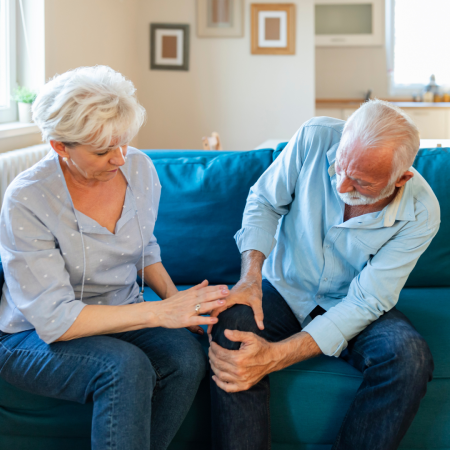
Have you recently had a parent or grandparent complain about knee pain without a specific history of a knee injury? Has it affected their quality of life and ability to do the activities they enjoy?
If you have answered yes to both questions, it may be time for your loved ones to get a formal assessment from their physiotherapist.
A common knee condition in the elderly is Osteoarthritis of the knee, affecting over 40% of people over 65.
Knee Osteoarthritis:
Knee Osteoarthritis is typically the result of degenerative changes to the articular cartilage of your knee joint and can happen primarily because of wear and tear. Secondary causes often include previous injuries or surgeries to the knee.
The articular cartilage of the knee has a poor blood supply meaning once it degenerates, the chance of self-repair is less likely, however, some things can be done to help decrease the risk of deterioration, stimulate the repair process and prolong the need for surgery which this blog will allude to.
Common symptoms:
- Gradual onset of pain which can be worse with prolonged sitting or resting
- Stiffness
- Swelling
- Reduced range of motion
- Varus knee deformity
- Crepitus (pressure built up in the knee)
- Deconditioning and weakening of surrounding muscles and connective tissue
- Will often affect the whole joint and not just the articular cartilage
Common risk factors:
- Family history of knee osteoarthritis
- Obesity
- Age
- Occupation (work that has put excessive repetitive stress on the knee)
- History of trauma or surgery to the knee
How is knee osteoarthritis treated?
- A thorough assessment from a physiotherapist to determine the cause of your knee pain. It is common to have signs of knee arthritis on an X-ray with no pain. Clinical symptoms must match, often requiring an X-ray to confirm the diagnosis and degree of joint space loss.
Exercise and education:
- A rehabilitation program consisting of strengthening exercises as guided by a physiotherapist. A 6–12-week program has been shown to reduce knee pain, improve strength, reduce knee stiffness, improve balance and quality of life.
- Education sessions will help teach you how to manage your arthritis which may include a comprehensive understanding of the condition, pain management strategies, activity modification and advice on nutrition and supplementation.
- Exercises will usually target the knee muscles (quadriceps, calf, hamstrings) and hip muscles (gluteus complex muscles and hip stabilisers). Strengthening these muscles will help build resilience around the knee and hip joints which is important to facilitate blood flow and take pressure off the knee joint.
- Weight loss of 5-7% has been shown to reduce pain in people with knee Osteoarthritis.
- Consuming an anti-inflammatory-based diet: reducing processed meats and foods
- Unloading knee brace can help offload the compartment that is most involved
Other treatments:
- If symptoms are not managed well conservatively, your physiotherapist will discuss other treatment options.
- Discuss with your doctor or surgeon the use of non-steroidal anti-inflammatory drugs.
- Discuss with your doctor or surgeon the use of supplementation such as glucosamine and chondroitin sulphate.
- Discuss with your surgeon steroid and hyaluronic acid injections to give temporary relief.
- Discuss with your surgeon Genicular nerve blocks to give temporary relief.
- Arthroscope: clean out and removal of osteophytes and degenerative meniscal tears to help give temporary improvements in function.
- Unicompartmental knee arthroplasty (partial total knee replacement).
- Total knee replacement
Knee osteoarthritis is a challenging condition, but with the right combination of treatments and lifestyle changes, many people can manage their symptoms and maintain an active, fulfilling life. If you suspect you have knee osteoarthritis, consult a physiotherapist for an accurate diagnosis and personalized treatment plan. Remember, early intervention can make a significant difference in managing this condition effectively.