
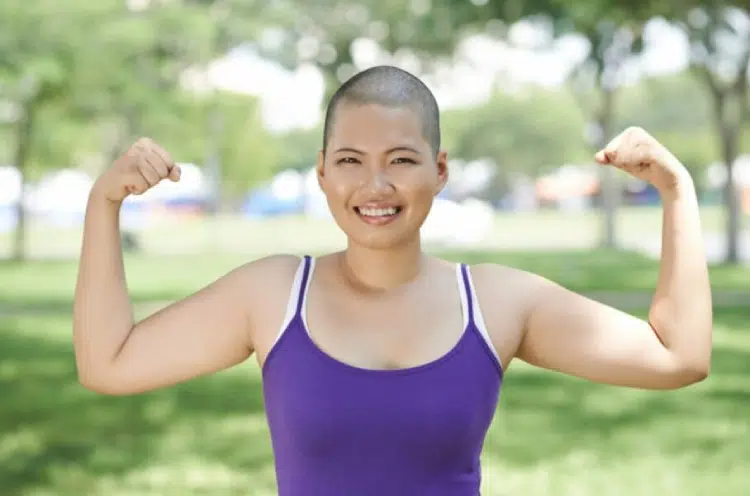
Sarcoma is a rare and complex form of cancer that affects bones and soft tissues. Treatment often includes surgery, chemotherapy, and radiation – each of which can take a physical and emotional toll. While rest and recovery are a part of healing, research is increasingly pointing to another powerful ally in the fight against sarcoma: Exercise.
Why Exercise Matters for Those With Sarcoma
For years, physical activity was considered a secondary concern in cancer care, especially during treatment. But today, evidence shows that regular exercise can actually support recovery, boost energy levels, and improve quality of life for cancer patients – including those with sarcoma.
The National Foundation for Cancer Research (NFCR) highlights that moderate physical activity during and after treatment:
- Helps manage fatigue.
- Improves physical function.
- Boosts mood and mental well-being.
- Reduces the risk of recurrence and other health complications.
What the Guidelines Say
The National Physical Activity Guidelines recommend:
- 150 minutes of moderate-intensity aerobic activity per week, such as walking, cycling, or swimming.
- Two sessions of strength-training per week.
These exercises help maintain muscle mass, reduce treatment-related side effects, and may even help prevent sarcoma from spreading beyond its original site.
Customizing Exercise for Each Person
It’s important to remember that each sarcoma journey is unique and reaching the guidelines might not be achievable straight away. Exercise routines should be tailored based on a persons:
- Type and stage of sarcoma.
- Current treatment plan.
- Physical ability and energy levels.
Before starting any exercise program, people with cancer should always consult their Oncology Care Team and a specialising
Small Steps, Big Impact
Even simple activities – like walking around the block or gentle stretching – can make a big difference. Over time, these small efforts can lead to improved strength, better mental health, and greater confidence in managing one’s health.
An Ending Message
Sarcoma may be rare, but it doesn’t mean patients are powerless. With guidance and support, movement can become a form of medicine. Whether it’s a slow walk, yoga, or resistance exercise, the key is to keep moving safely and consistently.
As the NFCR puts it: “Even modest levels of exercise can produce meaningful benefits.”