
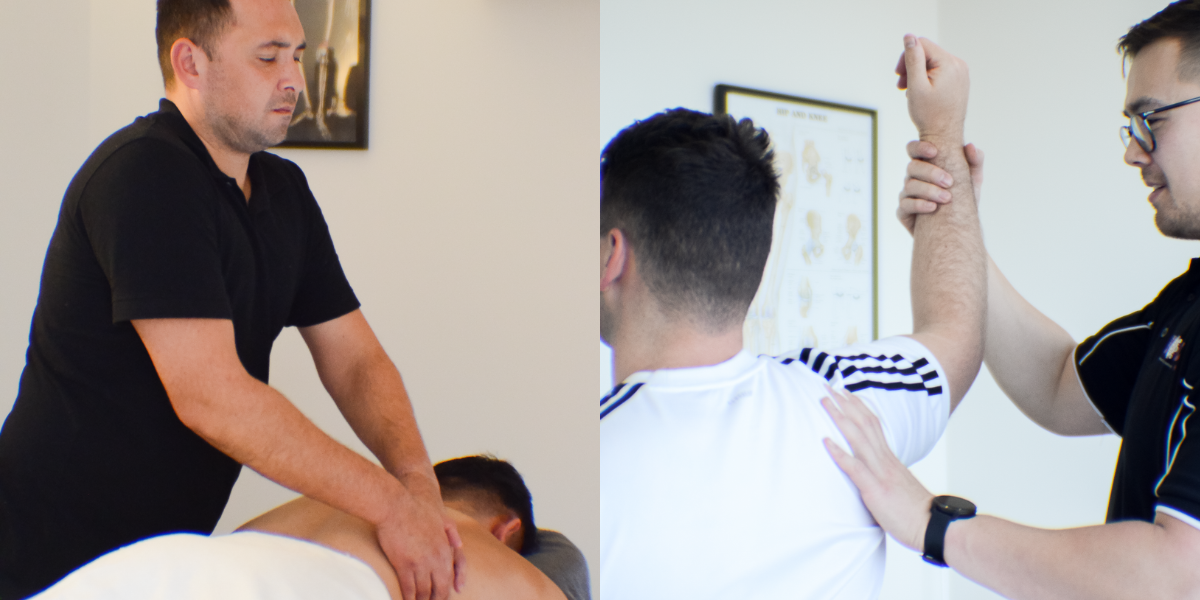
Shoulder pain has a way of creeping into everything: sleeping, driving, lifting the kettle, even putting on a shirt. It can start suddenly after a fall or build quietly from desk work and poor posture. When it lingers, many people begin weighing up osteopathy vs physiotherapy and wondering who to see first. If you live locally, the choice can feel even harder when you search ‘osteopathy vs physiotherapy Melbourne’ and get a flood of options.
This guide breaks down why shoulder pain happens, the common conditions behind it, and how physiotherapy can help you recover with a clear plan.
Understanding Shoulder Pain and Why It Occurs

Shoulder pain often feels simple on the surface, yet the causes can be layered. A good explanation starts with how the joint is built and why small changes in posture and control can trigger big symptoms.
The complexity of the shoulder joint
High mobility with limited stability means the shoulder trades strength for freedom of movement. Because it relies heavily on muscles, tendons, and posture for support, posture correction therapy and strength work can shift pain patterns quickly. This is a common focus in musculoskeletal therapy, especially when everyday movements suddenly feel risky.
Common Causes of Shoulder Pain

Shoulder pain can come from an acute injury, repetitive strain, inflammation, or referral from nearby structures. Getting the cause right early often reduces flare-ups and guides the right recovery pathway.
Rotator cuff tears or tendonitis (impingement)
The rotator cuff stabilises the shoulder, and overload can lead to tendon irritation or tearing. Pain often shows up with lifting, reaching, or overhead work, especially after a jump in training volume. In sports injury treatment, rotator cuff rehab usually centres on graded loading and technique changes.
Frozen shoulder (adhesive capsulitis)
Frozen shoulder involves thickening of the joint capsule and can feel like the shoulder has “locked up”. Stiffness and a steep drop in range of motion are common, often alongside night pain. A structured plan from physiotherapy in Melbourne can help calm symptoms and gradually restore movement without aggravating the joint.
Bursitis
Bursae are small fluid-filled sacs that reduce friction, and they can become irritated with repeated compression or overload. Pain often increases with pressure, side-sleeping, or repetitive lifting. Targeted advice plus guided exercise and manual therapy in Melbourne can help settle sensitivity and improve comfortable motion.
Shoulder instability or dislocation
A dislocation or repeated “slipping” can leave the shoulder feeling unreliable, even after the initial pain fades. Apprehension with certain positions, clicking, or a sense of weakness can persist. A staged approach through rehabilitation services in Melbourne typically focuses on strength, control, and safe return to work or sport.
Poor posture and ergonomics
Slouched sitting, rounded shoulders, and a poorly set-up workstation can overload the front of the shoulder and neck. This often leads to muscle imbalance and altered shoulder blade control that keeps symptoms lingering. Addressing the day-to-day drivers through posture correction therapy can be a turning point.
Referred pain from the neck or upper spine
Sometimes the shoulder is not the true source of pain. Neck joints, nerves, and upper back stiffness can refer pain into the shoulder and upper arm. A thorough assessment is a core part of physiotherapy in Melbourne, helping separate local tissue irritation from referral patterns.
How Physiotherapy Treats Shoulder Pain
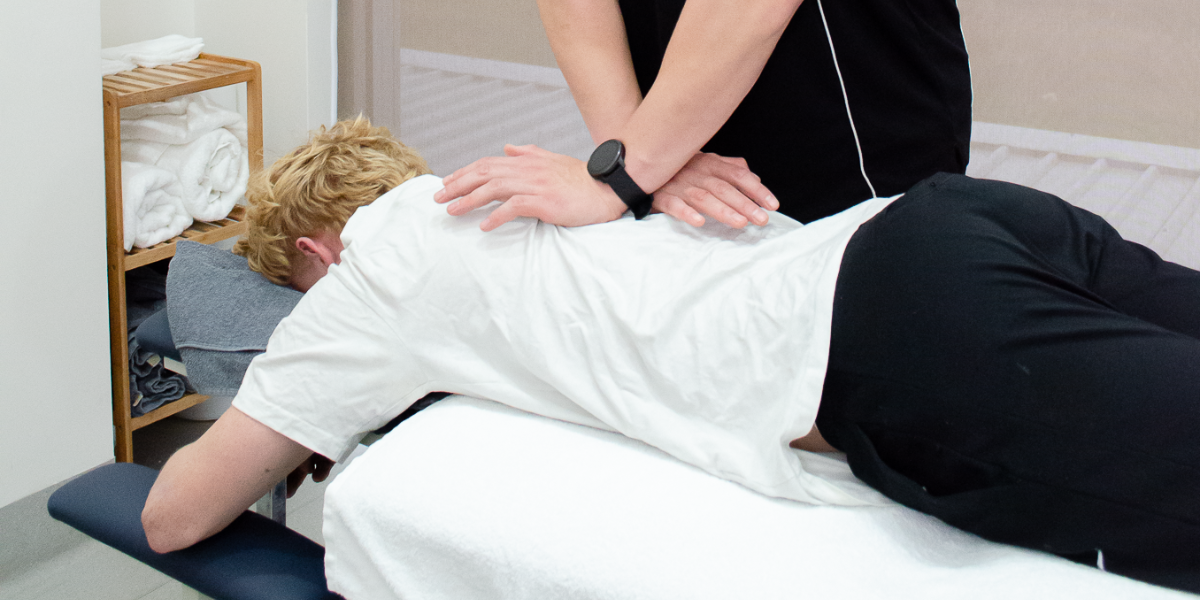
Physiotherapy targets pain drivers, restores movement, and builds capacity for the activities you need. Treatment is guided by assessment findings, your goals, and how your shoulder responds to load.
Individualised assessment and diagnosis
Assessment identifies the likely tissue involved and checks how posture, strength, and movement patterns contribute to symptoms. Your clinician will look at range of motion, shoulder blade control, neck screening, and functional tasks. This approach supports clear planning for pain management services in Melbourne without guesswork.
Manual therapy for pain relief and mobility
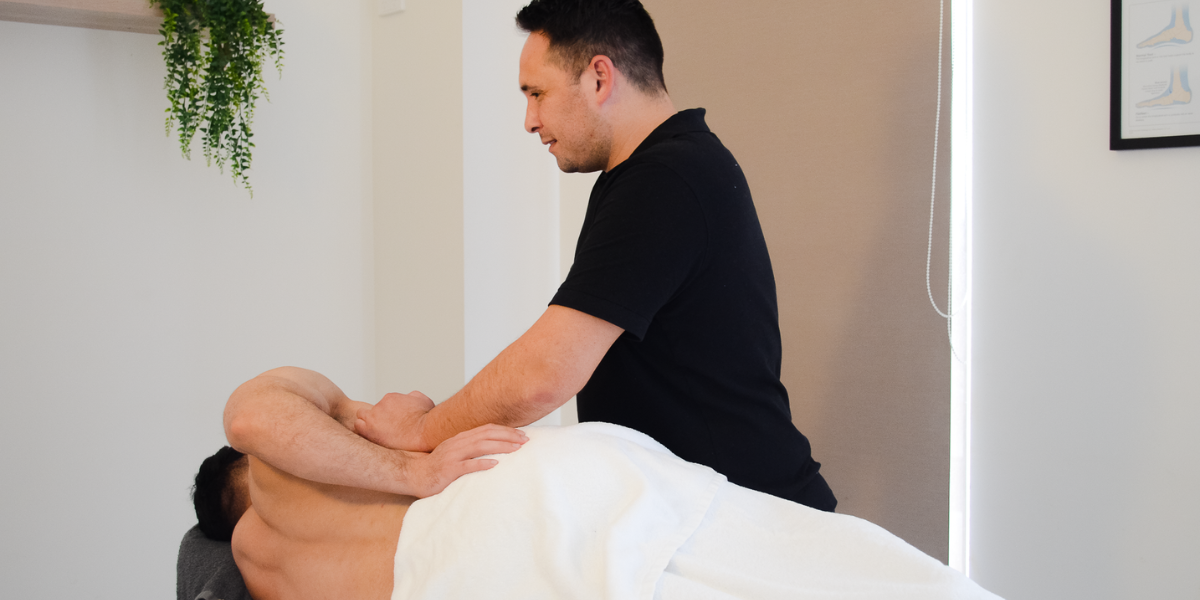
Hands-on care can reduce guarding and improve joint motion in the early stages. Techniques may include joint mobilisation and soft tissue work to calm pain and improve movement quality. When used appropriately, manual therapy in Melbourne can make it easier to start exercise rehab.
Targeted exercise rehabilitation
Exercises aim to restore range of motion, then rebuild strength and tolerance. Programmes often target the rotator cuff, shoulder blade muscles, and upper back, progressing in small steps. This is a cornerstone of musculoskeletal therapy and helps you return to daily tasks with confidence.
Scapular stabilisation
The shoulder blade provides the base for arm movement, and poor control can load the shoulder tendons. Rehab often includes strengthening the lower traps, serratus anterior, and other stabilisers. Better scapular stability supports smoother overhead movement and can reduce recurring flare-ups.
Dry needling or acupuncture
Dry needling may help reduce muscle tension and pain sensitivity in some cases. It is often used alongside exercise, not as a standalone fix. For persistent discomfort, it can complement broader plans used in pain management services in Melbourne.
Taping techniques
Taping can provide short-term support and improve movement awareness during exercise and daily activity. It may help you feel safer while relearning posture or technique. Some people find taping useful during the transition back to sport or heavier work.
Education and injury prevention
Education bridges the gap between the clinic and real life. Common topics include desk setup, pacing, sleep positions, and lifting strategies, plus training adjustments for active people. In practice, prevention often blends movement retraining with posture correction therapy habits that are realistic to keep up.
The Stages of Shoulder Rehabilitation
Shoulder rehab tends to work best in phases, with each stage building on the last. This structure keeps the plan clear and helps you track progress even when symptoms fluctuate.
Early stage – pain reduction and mobility
The early phase targets inflammation and pain sensitivity while protecting the joint. Gentle mobility drills and light activation exercises reduce stiffness and maintain confidence in movement. Some people benefit from manual therapy in Melbourne during this phase to settle symptoms and improve motion.
Mid-stage – strength and control
As pain settles, the focus shifts to progressive strengthening and coordination. Exercises become more specific to your daily tasks, job demands, or sport. This stage often forms the core of structured rehabilitation services in Melbourne.
Late stage – function and prevention
The final phase targets full return to work, sport, and higher-load tasks without flare-ups. Rehab builds resilience with heavier strength work, endurance, and movement speed. For athletes, late-stage progress commonly aligns with goals seen in sports injury treatment.
Rehabilitation Tips and Physiotherapy Exercises
Exercises work best when they match your condition, irritability, and current capacity. These examples reflect common themes used in physiotherapy programmes and can be adapted based on assessment findings.
Mobility exercises
Pendulum swings are often used early to keep the joint moving with minimal irritation. Wall crawls can help rebuild overhead range in a controlled way, particularly after flare-ups. If symptoms spike, scaling range and frequency usually help you stay consistent.
Strength and stability exercises
Scapular squeezes support upper-back endurance and shoulder blade positioning, especially for desk-based workers. Resistance band external rotation strengthens the rotator cuff and can improve stability for lifting and reaching. For active people, these basics often sit alongside bigger compound lifts during return-to-training.
Stretching and posture support
A doorway stretch can ease tightness across the chest and the front of the shoulder. Small posture changes through the day often reduce ongoing load on sore tissues, especially when combined with strengthening. Many people find that consistent posture correction therapy principles reduce recurring shoulder tightness.
When to See a Physiotherapist for Shoulder Pain
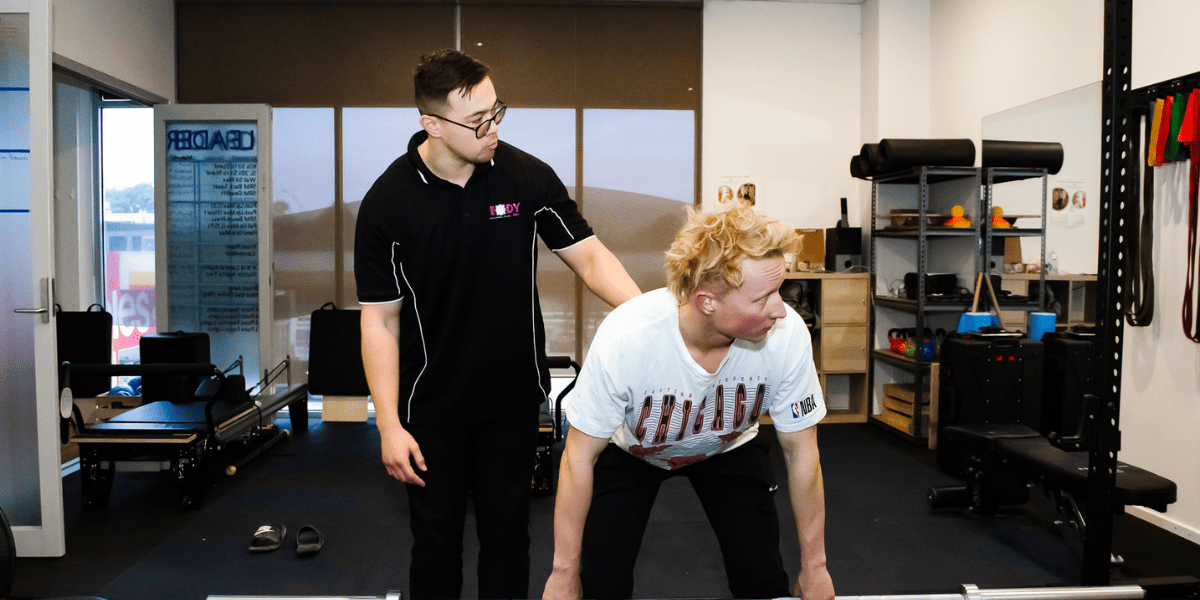
Some shoulder pain settles quickly, yet certain signs suggest you should seek assessment. Early help can prevent the cycle of rest, flare-up, and frustration that drags on for weeks.
Key warning signs
Pain persisting for more than a few days, worsening night pain, or repeated catching can indicate a problem that needs guidance. Difficulty reaching overhead, weakness, numbness, or tingling are also worth assessing promptly. Pain after a fall or sudden injury should be checked early through physiotherapy in Melbourne.
Benefits of early physiotherapy intervention
Early care often shortens recovery time by matching the right load and movement strategy to your condition. It can reduce the risk of chronic symptoms and limit unnecessary imaging or invasive procedures. For many people, it is the simplest way to access structured rehabilitation services in Melbourne.
How Your Body Hub Supports Shoulder Pain Recovery
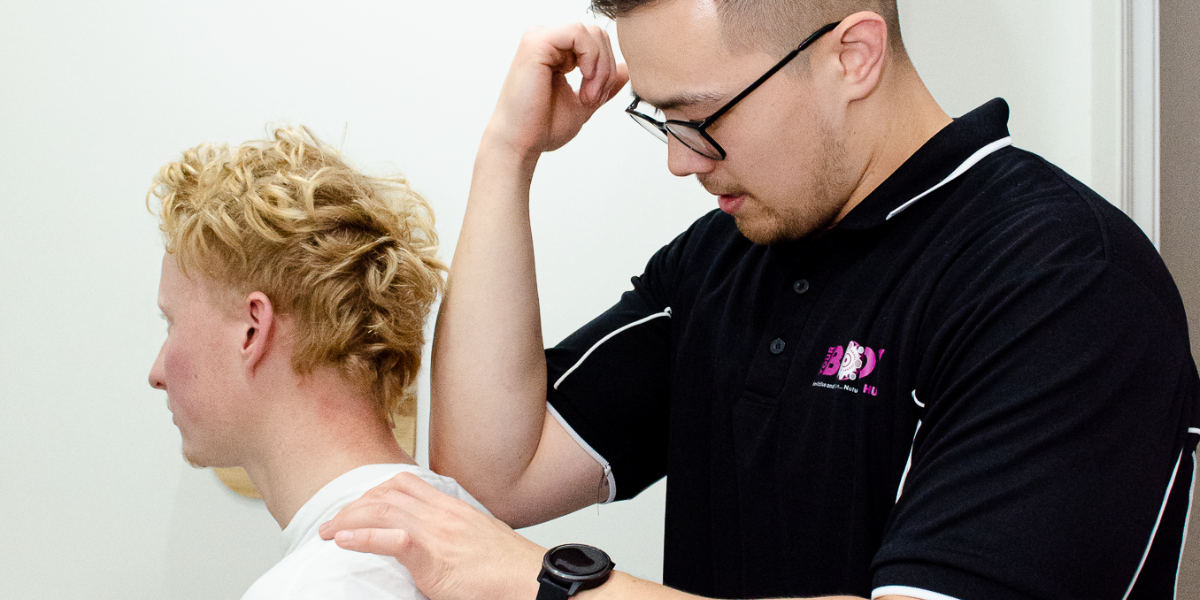
Choosing a provider often comes down to clarity, convenience, and the sense that your plan fits your life. At Your Body Hub in Officer, our approach blends assessment, guided rehab, and supportive services so recovery feels manageable.
Personalised care under one roof
We combine physiotherapy in Melbourne with exercise physiology, myotherapy, and remedial massage to support your full recovery pathway. Our team works collaboratively so your plan reflects pain drivers, movement goals, and long-term function. If hands-on care suits your presentation, we can include manual therapy in Melbourne alongside exercise progression.
Comprehensive rehabilitation and wellness services
We support recovery with Pilates, strength and conditioning, active ageing, and injury-prevention classes that build resilience. For people who want broader support, we also offer infrared sauna therapy, dietitian input, and wellness services that can complement shoulder rehab. Many clients see us for local, practical pain management services in Melbourne that fit work and family life.
Flexible, inclusive support for our community
We work with NDIS and other care programmes and offer flexible appointment options. Treatment plans are tailored to your schedule, goals, and current capacity, whether you are returning to sport or simply want comfortable sleep again. If you have been comparing osteopath vs physiotherapist options or searching for osteopathy in Melbourne, we can talk through what suits your condition and preferences within a clear rehab framework.
Conclusion
Shoulder pain can come from many sources, which is why a clear diagnosis and staged rehabilitation plan matter. Physiotherapy helps by restoring movement, strengthening the right muscles, and guiding a safe return to work, sport, and daily activity. If you have been weighing up osteopathy vs physiotherapy or searching osteopathy vs physiotherapy Melbourne, a practical next step is an assessment that pinpoints the driver of your pain and maps out the path forward.
If your shoulder is limiting your sleep, training, or work, contact us at Your Body Hub to book an appointment. We will assess your shoulder, explain what is happening in plain language, and guide you through a tailored recovery plan.
Frequently Asked Questions About Shoulder Physiotherapy
Common questions can help you decide what to do next and what recovery might look like. The answers below are short, practical, and focused on real-world results.
How does physiotherapy help with shoulder treatment?
It identifies the cause and uses exercise plus hands-on care to restore movement and strength through evidence-based musculoskeletal therapy. We tailor the plan to your pain triggers, goals, and daily routine so progress feels achievable.
How does rehabilitation work for shoulder pain?
Rehab follows stages that move from pain relief to mobility, strength, and return to full function through guided progression. We map the stages with you and adjust week to week based on how your shoulder responds.
What are common physiotherapy exercises for shoulder pain?
Common drills include pendulums, wall crawls, band rotations, and shoulder blade control work matched to your condition. We select exercises that fit your symptoms and upgrade them as your shoulder gets stronger.
What is the 7-minute rotator cuff solution?
It is a short daily routine designed to activate the rotator cuff and improve control when done with good technique. We teach the right form and progress it safely so it supports your recovery rather than irritating it.
What are two warning signs of a rotator cuff tear?
Persistent weakness with lifting the arm and night pain with overhead movements are common warning signs. We assess your shoulder and guide the next steps, including imaging referral advice if needed.
What helps a rotator cuff heal faster?
Early guidance, graded loading, good sleep, and consistent rehab habits usually support faster recovery. We build a simple plan you can stick to and track your progress until you are back to normal activity.