

A new year has a way of shining a light on the little things that feel harder than they should. Turning your head while reversing the car, getting up from the couch, or feeling stiff after a day at a desk.
The good news is that mobility can improve with small, steady habits, and you do not need fancy equipment to begin. This guide shares simple, low-impact movements that suit many fitness levels and routines.
They are the kind of physiotherapy exercises that help your body move with less effort and better control. If you live locally, you will recognise these as the style of physiotherapy exercises Melbourne clinics commonly recommend for comfort, confidence, and daily function.
Why Daily Mobility Exercises Are Essential for Whole-Body Health
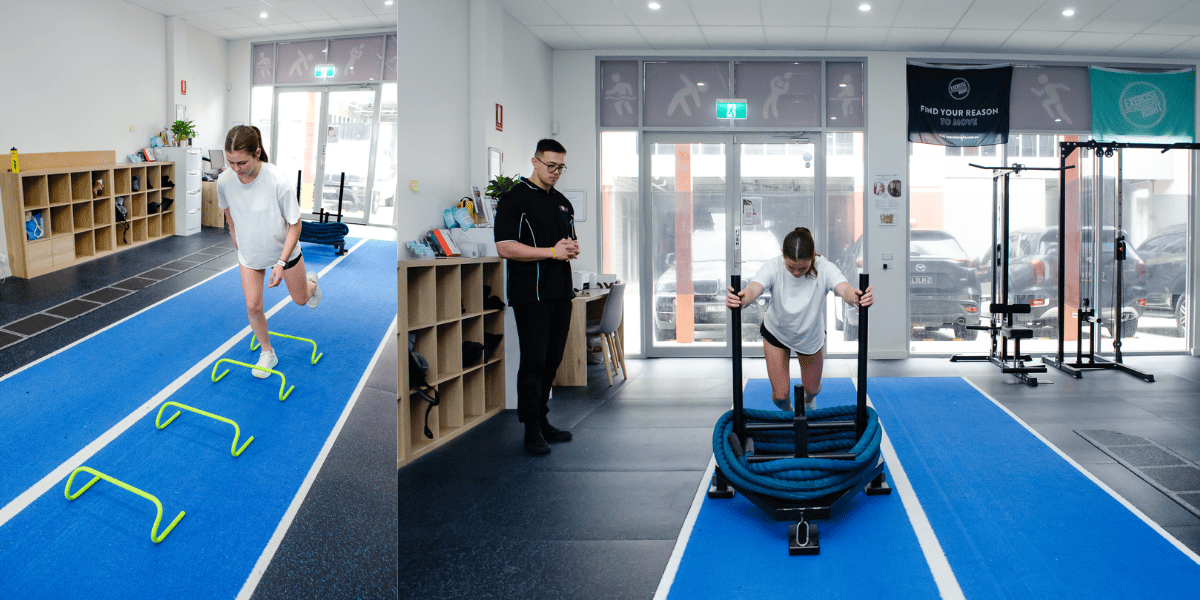
Daily mobility work creates a reliable baseline for how you move, especially when life gets busy. A few minutes of targeted practice supports smoother motion and can reduce the sense of “rustiness” that builds up from sitting or repetitive tasks.
Mobility is your ability to move a joint through its range with control, while flexibility relates to muscle length and strength relates to force production. When you combine flexibility and movement training with regular physiotherapy for mobility, you get movement that feels both freer and steadier.
Well-chosen mobility physiotherapy exercises help joints glide, muscles coordinate, and your nervous system organise movement patterns efficiently. Over time, this supports joint mobility improvement and can help daily tasks feel simpler.
When your body moves easily, you tend to trust it more. That confidence can support safer lifting, easier walking, and fewer awkward compensations, which is the practical side of everyday mobility support.
How Reduced Mobility Impacts Daily Life
Reduced mobility rarely shows up as one big problem. It often looks like lots of small limitations that add up across the week.
Stiff hips can shorten your stride, a tight upper back can limit reaching, and ankle restriction can affect balance. Gentle mobility physiotherapy exercises can be a strong starting point for restoring comfortable movement.
When joints and muscles do not move well together, you may twist or load areas poorly. Improving control and building joint mobility improvement can reduce those “twinge” moments that interrupt your plans.
Feeling stiff can sap motivation to move, which can affect energy and mood. A short routine of physiotherapy exercises often helps people feel lighter and more capable across the day.
The Role of Physiotherapy in Movement Health
Physiotherapy adds clarity to your exercise choices. Instead of guessing, you get a plan that matches your body, your goals, and your current capacity.
A clinician looks at how you move, where you compensate, and what triggers symptoms, then selects physiotherapy exercises that suit your needs and stage of recovery.
Targeted movement exercises in physiotherapy focus on quality, timing, and coordination so you rebuild patterns that support daily life. This is a core part of effective physiotherapy for mobility.
Small adjustments to posture, workload, and rest can change outcomes. This guidance helps your home routine stay safe and useful, especially when you are aiming for consistent everyday mobility support.
Who Can Benefit From These Physiotherapy Exercises?

Mobility work suits a wide range of people because it can be scaled up or down. You can start with short, gentle sets and progress gradually as comfort and control improve.
These physiotherapy exercises can be modified with smaller ranges, slower tempo, or added support such as a chair or wall. That flexibility makes physiotherapy for mobility practical for beginners, active adults, and people managing pain.
Injury Recovery and Post-Surgical Rehabilitation
After injury or surgery, the right movements can help you return to normal activity with confidence. Progress is usually best when it is planned and paced.
Early-stage physiotherapy for mobility often focuses on gentle range, circulation, and control. The goal is to rebuild trust in the area without provoking symptoms.
As you progress, functional movement exercises help you practise real tasks such as standing, stepping, and reaching. This supports reliable everyday mobility support in the environments that matter.
Chronic Pain, Arthritis and Long-Term Conditions
Long-term conditions often respond well to consistent, low-impact movement. The key is choosing options that feel manageable and repeatable.
Regular mobility physiotherapy exercises can reduce morning stiffness and help joints feel less “stuck”. Many people find gentle movement helps settle sensitivity over time.
A steady focus on joint mobility improvement supports comfortable motion without heavy load. This approach helps you stay active while respecting pain levels.
Older Adults and Preventative Health
Mobility and strength support independence, which is why a simple routine can be so valuable. Even small improvements can change how safe and steady everyday movement feels.
Better ankle, hip, and thoracic mobility can support balance reactions and safer walking. Combined with light strength work, joint mobility improvement becomes a practical part of ageing well.
A structured approach to physiotherapy for mobility can support confidence for stairs, shopping, gardening, and social activities. It is an everyday function, not fancy workouts.
Important Safety Considerations Before You Start
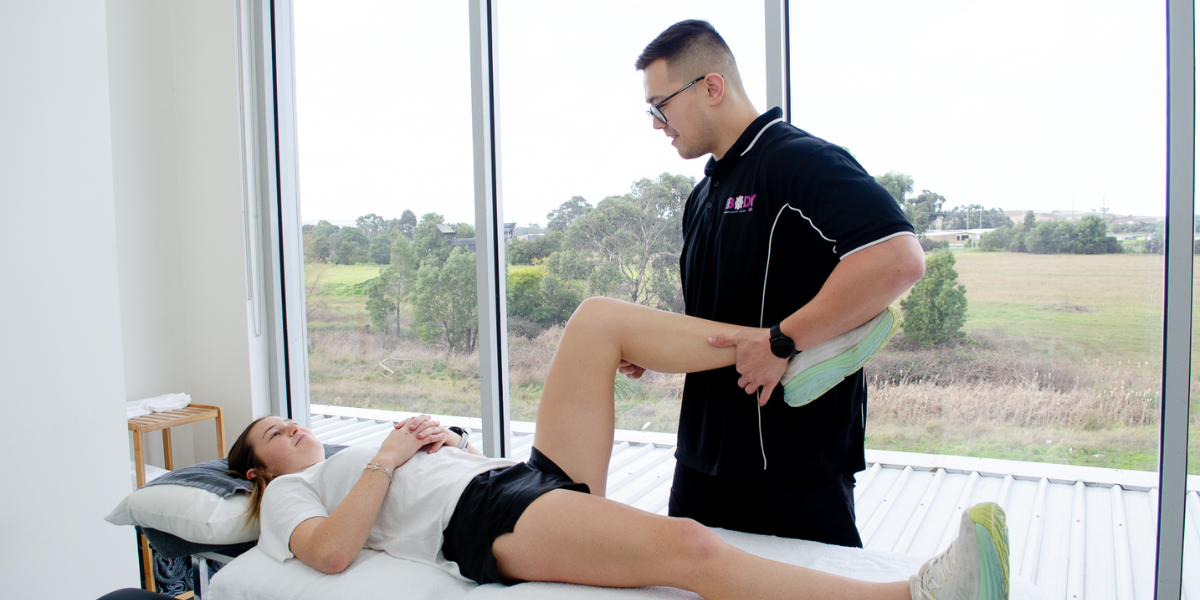
Mobility work should feel controlled and comfortable. A little stretch or effort is normal, but sharp pain or worrying symptoms are a signal to stop and reassess.
Move slowly, breathe, and use a smaller range if needed. The goal of these physiotherapy exercises is steady progress, not pushing through discomfort.
Listen to Your Body
Your body gives good feedback when you pay attention. Let comfort guide your range and pace.
Stay in a zone that feels safe and smooth, especially early on. This approach supports physiotherapy for mobility without irritating sensitive tissues.
If something feels wrong, pause and rest. If symptoms persist, it is worth seeking advice before continuing with physiotherapy exercises.
When to Seek Professional Advice
Some situations call for tailored guidance. A short consult can save weeks of trial and error.
If you are unsure what is safe, a clinician can help you choose the right starting point. Many people look for physiotherapy exercises from Melbourne providers when they want local, hands-on guidance.
A physio can select physiotherapy for mobility options that match your diagnosis, irritability, and goals. That includes progression plans and technique cues that keep your routine on track.
10 Easy Physiotherapy Exercises to Improve Mobility
These movements are gentle, practical, and designed for daily use. Aim for slow, controlled reps and comfortable ranges, and stop if symptoms spike.
You can complete these physiotherapy exercises at home with a mat and a chair. They work well as everyday mobility support before work, after sitting, or in the evening.
Quality matters. Controlled tempo helps your nervous system learn the pattern, which is a key benefit of movement exercises in physiotherapy.
1. Neck Half Circles / Tilts
Move gently side to side, keeping your shoulders relaxed. This is one of the simplest mobility physiotherapy exercises for desk-related tightness.
Frequent small movements can reduce the “locked” feeling from screen time and long commutes, supporting daily comfort through physiotherapy for mobility.
2. Shoulder Rolls
Roll shoulders slowly up, back, and down with steady breathing. This quick set of physiotherapy exercises can ease the load you feel around the neck and upper traps.
Shoulder motion supports posture and overhead reach. Over time, it can contribute to joint mobility improvement in the upper body.
3. Cat–Cow Stretch
Move between gentle rounding and arching through the spine. This pairs well with flexibility and movement training because it blends motion with control.
Focus on segmental movement and breathing rather than forcing range. It is a staple among mobility physiotherapy exercises for many bodies.
4. Thoracic Spine Rotation
Rotate through the upper back while keeping hips stable. This is a common choice in movement exercises in physiotherapy to support twisting mechanics.
Better thoracic rotation can help with reaching into the back seat, turning to look over your shoulder, and daily chores linked to everyday mobility support.
5. Glute Bridges
Lift hips with control, pause briefly, then lower slowly. This builds strength where many people need it for comfortable movement and stability.
Bridges are classic functional movement exercises that support gait and posture. They fit nicely into simple physiotherapy exercise routines.
6. Knee-to-Chest Stretch
Bring one knee towards the chest while breathing calmly, then switch sides. This gentle option is often used in physiotherapy for mobility programmes.
It is easy to scale by pulling less strongly or keeping the other leg bent. It works well as a daily mobility physiotherapy exercise choice.
7. Hip Flexor Stretch
A hip flexor stretch can help counter long periods of sitting. It supports joint mobility improvement in the front of the hips, which often affects walking and standing posture.
If your hips feel tight after desk time, this is a practical addition to flexibility and movement training that supports comfortable strides.
8. Ankle Circles / Ankle Alphabet
Circle the ankle slowly or “draw” the alphabet with your foot. These are effective mobility physiotherapy exercises for restoring small joint control.
Ankles influence stability and confidence on uneven ground, so this work contributes directly to everyday mobility support.
9. Calf Raises
Lift and lower with control, holding a chair if needed. This helps strengthen the calf and foot complex for better propulsion and stability.
Calf raises support joint mobility improvement by pairing strength with controlled movement. They are simple functional movement exercises for daily life.
10. Sit-to-Stands
Stand up from a chair and sit back down with control. This mirrors a common daily task and fits naturally into functional movement exercise planning.
This movement supports confidence for stairs, chairs, and getting out of the car. It is one of the most valuable forms of everyday mobility support you can practise.
How to Build These Exercises Into Your Daily Routine
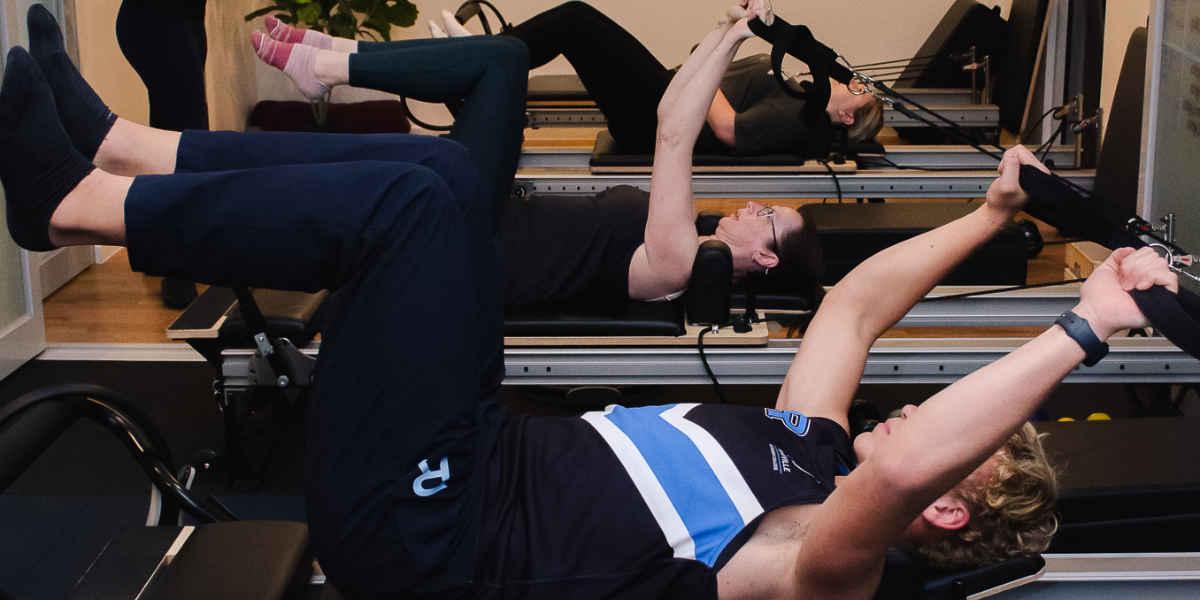
A routine works best when it is realistic. Small, repeatable sessions often lead to better outcomes than big bursts that are hard to maintain.
Think short sessions performed often. A steady habit of physiotherapy exercises can support lasting change in how you move and feel.
Simple Ways to Stay Consistent
Pick a time you can repeat, such as after brushing your teeth or before dinner. This turns physiotherapy for mobility into a reliable rhythm.
Anchoring your session to an existing habit supports follow-through. Over weeks, it becomes normal everyday mobility support rather than another task.
Progressing Safely Over Time
Add a little volume when the current dose feels easy and comfortable. This is how movement exercises and physiotherapy progress tend to work in real life.
Once the basics feel steady, combine mobility with light strength and balance drills. This keeps flexibility and movement training relevant to your everyday needs.
When Mobility Exercises Alone Aren’t Enough
Home routines are valuable, yet some problems need extra support, especially if pain persists or function keeps dropping. That is often the point where assessment and targeted treatment can speed up progress.
If symptoms linger, recur, or limit your normal activities, a plan guided by physiotherapy for mobility can identify the drivers behind the issue.
Combining Physiotherapy With Allied Health Services
Some people benefit from hands-on work, tailored strengthening, or broader health support. Combining services can strengthen everyday mobility support when life stress, workload, or complex conditions are involved.
A coordinated team can align treatment with your goals and recovery timeline. This approach supports better adherence to physiotherapy exercises and a clearer path forward.
How We Support Your Mobility and Wellbeing at Your Body Hub
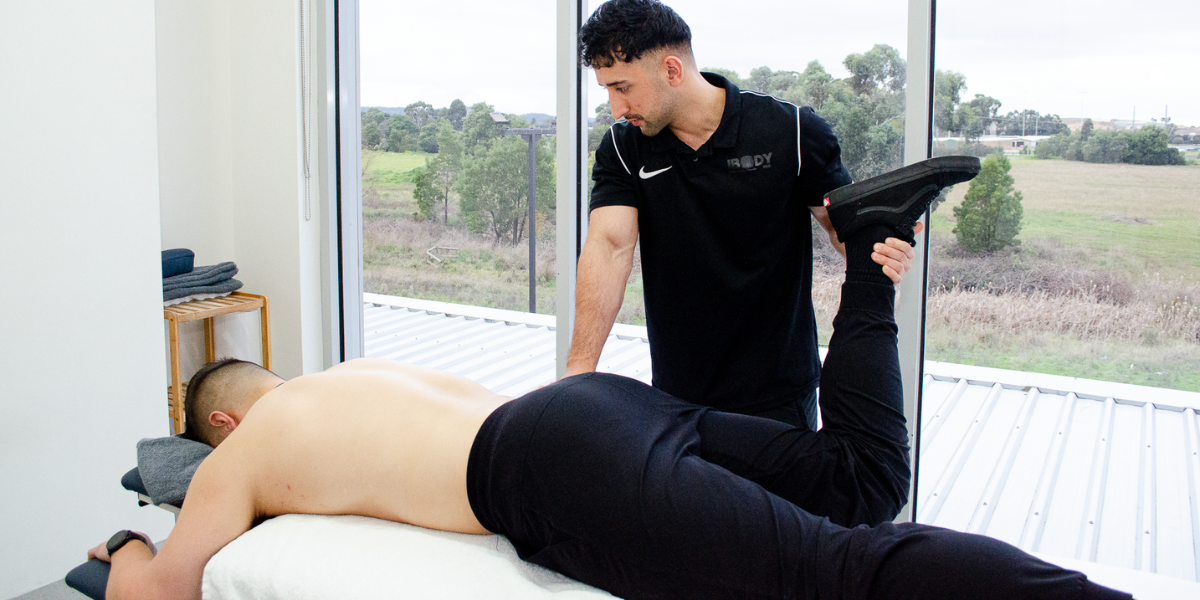
Good care should feel personal, practical, and goal-focused. At Your Body Hub, our team combines clinical expertise with evidence-based therapies to support recovery, improved movement, and long-term health outcomes.
We take time to understand your goals, your symptoms, and how your body moves, then build a plan that fits your life. Many clients come to us seeking physiotherapy exercises in Melbourne with guidance that feels clear and achievable.
Our approach combines physiotherapy for mobility with services such as exercise physiology, myotherapy, classes, and dietitian support. This helps you build momentum with structured everyday mobility support that continues beyond the clinic.
Our Integrated Allied-Health Approach
Care is coordinated so each service supports the next, from symptom relief to stronger movement patterns. This creates a clear pathway from pain management to performance.
We focus on functional movement exercises that relate directly to your daily tasks and goals. That practical lens helps your progress feel relevant and sustainable.
Tailored Care for Every Stage of Life
We guide you through staged progressions that build confidence and restore function. Your plan can evolve from gentle mobility to stronger capacity as you recover.
We work with you on pacing, strength, and movement habits that fit your symptoms. This supports steady gains through structured physiotherapy for mobility.
Where relevant, we can align care with established pathways and support needs. The aim is simple, reliable progress with real-world carryover.
Beyond Exercise – Supporting Whole-Body Health
Group and guided sessions can add structure and accountability. They work well alongside flexibility and movement training goals for long-term improvement.
Nutrition guidance and recovery options can support energy, consistency, and comfort. These services can complement your everyday mobility support plan.
We keep care practical, with clear next steps and progress tracking. Your plan stays matched to your goals, schedule, and capacity.
Conclusion
Daily mobility work can change how your body feels across the week, especially when you keep it simple and consistent. The exercises in this guide provide a starting point for easier movement, steadier balance, and stronger confidence in everyday tasks through physiotherapy exercises that fit real life. If you want a personalised plan, our team at Your Body Hub is ready to help with targeted assessment and tailored physiotherapy for mobility. Contact us to book an appointment online, and let’s build a routine that supports your goals.
FAQs: Physiotherapy, Mobility and Everyday Movement
What are the 10 strengthening exercises?
Common options include squats, lunges, bridges, calf raises, step-ups, rows, wall push-ups, planks, sit-to-stands and band work. At Your Body Hub, we tailor strength work to your body and goals, then progress it safely across the weeks.
What are the easiest mobility exercises?
Neck tilts, shoulder rolls, ankle circles, knee-to-chest stretches and gentle seated movements are a great starting point. With us, you get a simple home plan matched to your symptoms, so your routine feels comfortable and doable.
What are 10 examples of physical activities?
Walking, swimming, cycling, yoga, Pilates, strength training, stretching, gardening, group fitness and physiotherapy-led programmes all count. Our team can help you choose activities that support your health and build consistency without flaring pain.