
When you’re recovering from injury, surgery, illness, or intense training, your body is working harder than you might realise.
Healing requires energy, nutrients, and a coordinated immune response, inflammation plays a key role in that process. Despite its negative reputation, inflammation is essential. It increases blood flow, delivers immune cells to damaged tissue, and initiates repair. The challenge arises when inflammation becomes excessive or poorly regulated. Chronic stress, under-fuelling, poor sleep, and low-quality dietary patterns can all make it harder for the body to recover efficiently.
This is where nutrition matters.
An anti-inflammatory approach isn’t about restriction. It’s about consistently providing the right balance of nutrients to support tissue repair, maintain muscle, regulate inflammation, and optimize recovery.
What Your Body Needs During Recovery
Healing increases your metabolic demands. Even if you’re less active, your body requires:
- Protein for tissue repair and muscle maintenance
- Carbohydrates to fuel immune cells and prevent muscle breakdown
- Healthy fats to regulate inflammatory pathways
- Micronutrients such as zinc, vitamin C, vitamin A, and iron
Under-fuelling during recovery can delay wound healing, prolong fatigue, and impair muscle rebuilding.
What Does “Anti-Inflammatory” Actually Mean?
An anti-inflammatory approach isn’t restrictive or trendy , it’s about dietary consistency and nutrient density.

Key Components:
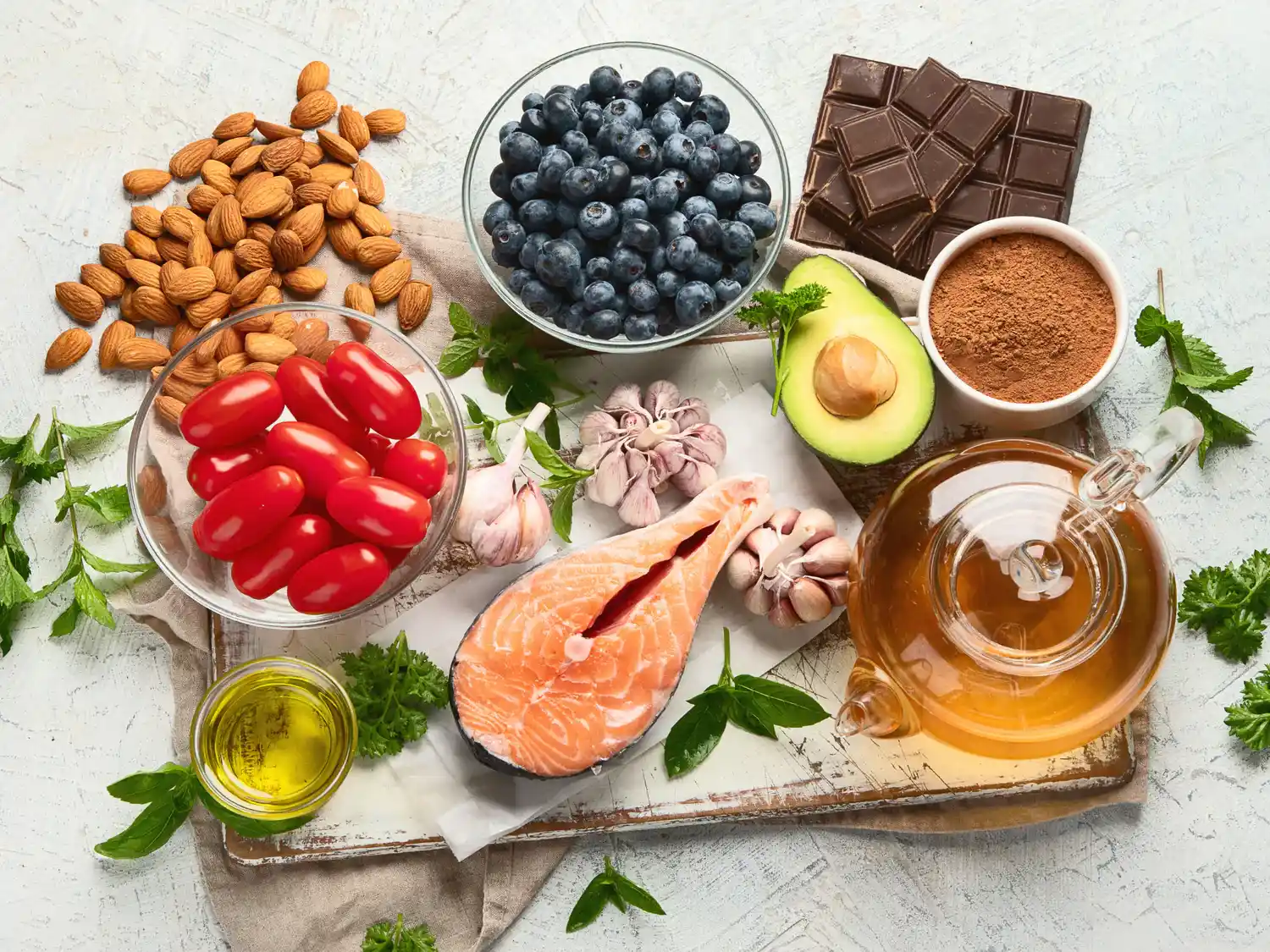
Omega-3 fatty acids
Found in salmon, sardines, chia seeds, flaxseeds, and walnuts. These help regulate inflammatory signalling in the body.
Colourful fruits and vegetables
Rich in antioxidants that combat oxidative stress created during tissue repair.
Wholegrains and fibre
Support gut microbiota, which play a major role in immune function and systemic inflammation.
Adequate protein
Recovery increases protein needs — typically higher than baseline requirements.
Extra virgin olive oil, nuts, seeds
Contain polyphenols and healthy fats that support cellular health.
What May Impair Recovery?

- Chronic low energy intake
- High alcohol consumption
- Diets lacking in protein
- Very low carbohydrate intake
- Poor sleep and high stress
Nutrition doesn’t replace rehabilitation — but it enhances its effectiveness.
The Bottom Line
An anti-inflammatory eating pattern supports:
- Faster tissue repair
- Improved immune function
- Better muscle retention
- Reduced fatigue
- Long-term health outcomes
Recovery is a time for nourishment, not restriction.