
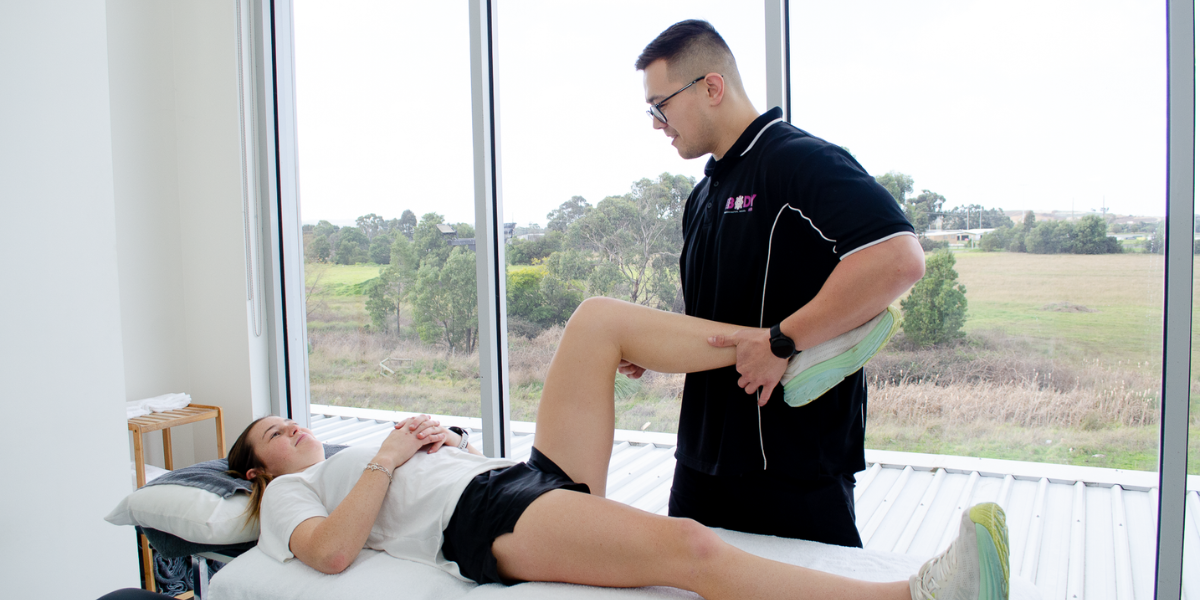
The majority of people associate physiotherapy with exercise programmes, resistance bands, and thoughtful movements. And, although targeted exercise is unquestionably an essential element of the rehabilitation process, there is one more potent weapon that can open the door to the recovery process in cases where only exercise is insufficient to achieve the desired result, and that is manual therapy.
To most patients experiencing chronic pain, unrelenting stiffness or limited motility, the anger of knowing that one is doing everything correctly but nothing is changing is not a new phenomenon. The missing component is frequently a practical clinical intervention into the mechanical cause of the issue, not only the symptoms. At Your Body Hub, we offer evidence-based manual therapy methods that enable our patients to regain mobility, decrease pain, and resume their favourite activities.
In this blog, we break down exactly what manual therapy is, what conditions it treats best, and why it is so effective in a comprehensive physiotherapy plan.
What Is Manual Therapy in Physiotherapy?
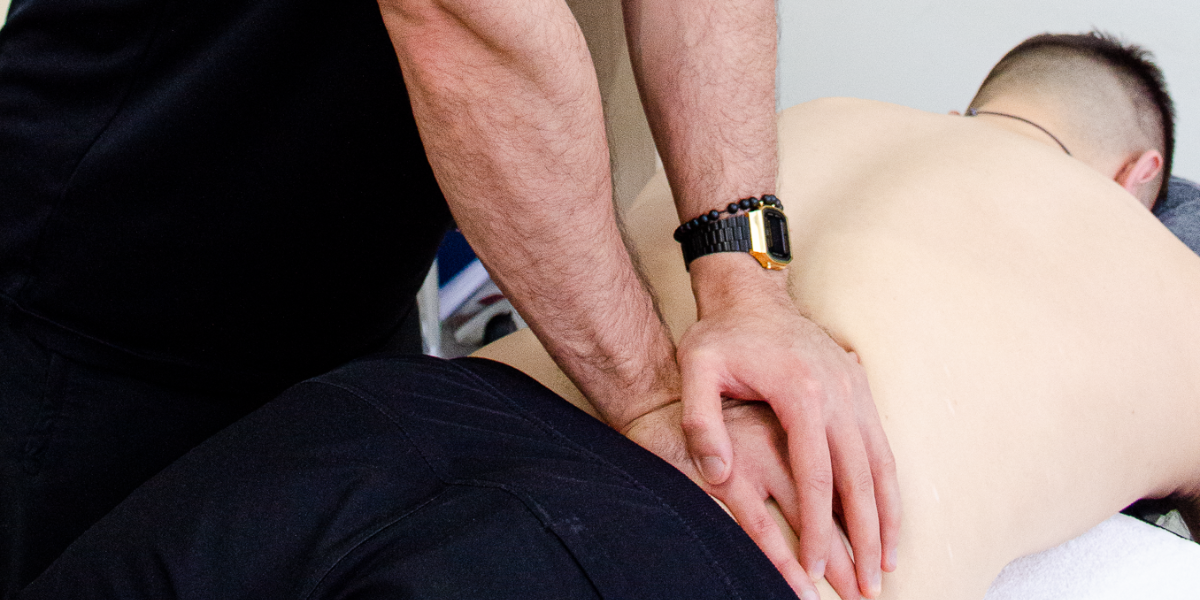
Manual therapy is a type of specialised, non-invasive treatment where the physiotherapist uses their hands to manipulate, mobilise, and massage the joints and soft tissues within the body. Contrary to passive machine-based therapies, which are based on ultrasound or electrical stimulation, manual therapy is a highly efficient method of clinical practice that cannot be performed by anyone unless they possess in-depth knowledge of anatomy and have undergone years of training.
At its core, manual therapy physiotherapy aims at addressing the structural and neurological aspects of pain and limited movement. It is not merely to give a person relief to make them feel better; it is to change the body to move and feel the way it should always be.
Core components of Manual Therapy:
Manual therapy has three important pillars that characterise its operation:
- The first is a hands-on assessment: a competent physiotherapist determines certain tissue limitations, joint stiffness, and dysfunctions of movements, which cannot be seen in regular imaging, including X-rays and scans (MRI). This technique is one of the most useful elements of manual therapy, as this diagnostic method reveals the actual cause of the pain rather than focusing on the symptoms.
- The second is targeted pressure and skilled movement, which involves controlled and accurate methods to activate the natural healing processes of the body, improve tissue pliability, and normalise biomechanics.
- The third is neurophysiological impact: manual therapy also affects the brain’s perception of pain, actually resetting excess muscle tension and relaxing sensitised nerve pathways, which can often keep the process of chronic pain in a rut.
When Do You Need Manual Therapy?
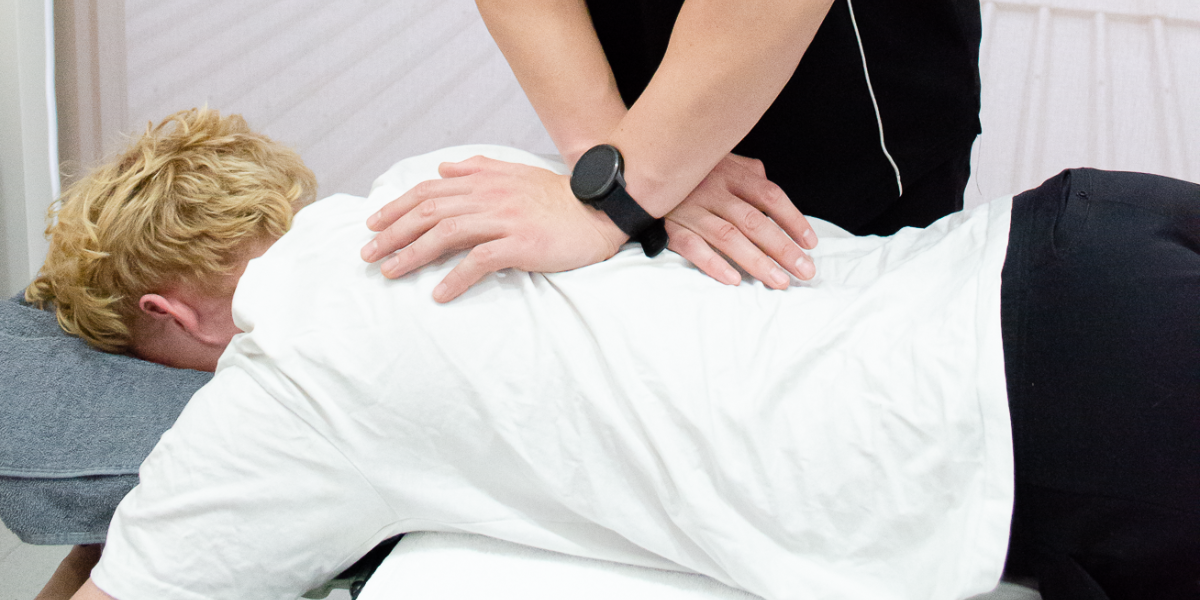
Manual therapy is not prescribed haphazardly but is rather done per clinical presentation and the objectives of the patient. At that, it is especially useful when it comes to many conditions that are frequently observed and treated at Your Body Hub.
-
Post-Operative Rehabilitation
The tissues surrounding knee replacement, hip replacement, rotator cuff repair, or other orthopaedic surgeries also become stiff and restricted naturally as a result of surgical trauma and limited movement. Manual therapy is a crucial factor in the desensitising of early scar tissue, the restoration of joint movement, and the acceleration of the functional movement back to normal.
-
Chronic Back and Neck Pain
One of the first causes for individuals to consult physiotherapy is chronic back and neck pain, which is also one of the most responsive to manual therapy. The layers of soft tissue restriction and joint stiffness due to long-term tension, sedentary work patterns or repetitive movement cannot usually be completely overcome by exercise alone. Direct treatment of these structural limitations through hands-on joint mobilisation and soft tissue massage can produce the chronic pain relief that many patients have been seeking.
-
Sports Injuries
You have sprained an ankle on the football field or pulled a shoulder in the gym; early intervention with manual therapy is of immense benefit in an acute sports injury. High-quality soft tissue massage and joint mobilisation can be used to treat swelling, lessen the development of secondary scar tissue, resume normal patterns of movement, and ensure a quicker and more powerful recovery to return to training.
-
Headaches and Migraines
A lot of the chronic headaches and migraines are a result of tension in the upper cervical spine and at the thoracic vertebrae, and not a result of neurological causes. Achieving this by modifying restrictions in these regions with specific manual therapy exercises may help physiotherapists considerably decrease the occurrence and severity of headaches, which is a true drug-free alternative to those victims who have tried it all.
-
Joint Conditions: Arthritis and Frozen Shoulder
Other joint diseases that result in progressive stiffness and pain, like osteoarthritis and adhesive capsulitis (frozen shoulder), may severely restrict daily functioning. Regularly joint mobilisation as part of a larger physiotherapy program can contribute to the maintenance and enhancement of range of motion, pain reduction and slow down the functional deterioration associated with these conditions.
The Benefits of Manual Therapy: Why It Works
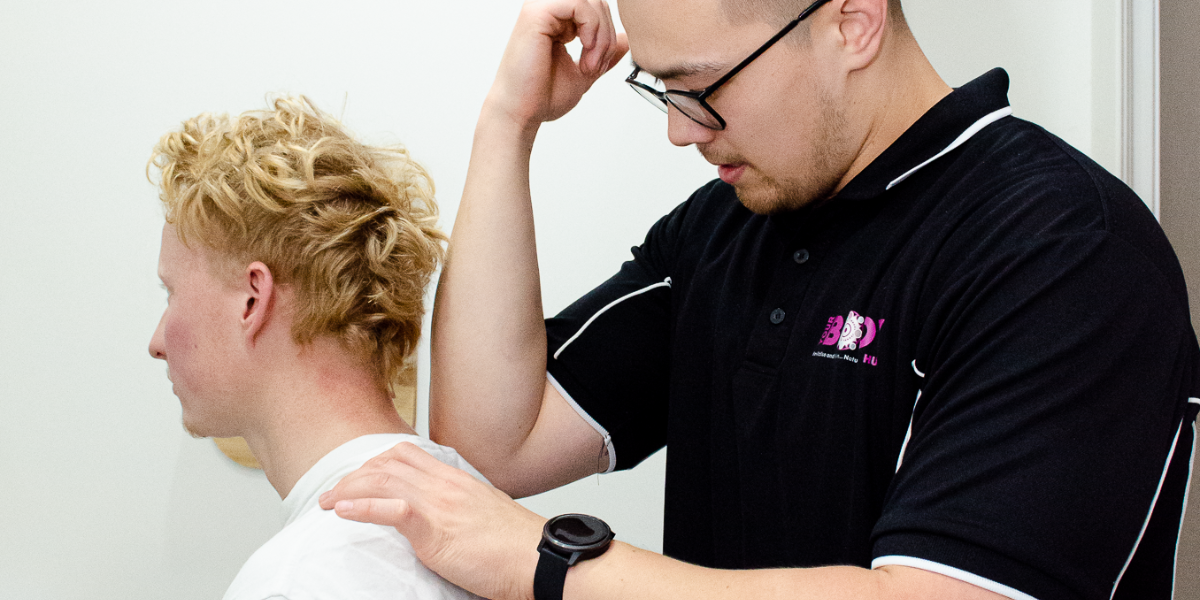
A strong and expanding amount of clinical evidence supports the effectiveness of manual therapy. The following is what the patients will anticipate from an appropriately designed manual therapy program at Your Body Hub.
-
Immediate Pain Relief
The speed at which manual therapy can produce results is one of the most significant attributes of the treatment. Physical methods alter the transmission of neural pain and trigger the production of natural endorphins, the body’s own painkillers. A great number of patients claim that pain has significantly reduced during the initial one or two sessions, which helps develop confidence in themovement required for the recovery process in the long term.
-
Restored Range of Motion
Other typical causes of limited movement include joint locking, muscle guarding and fascial adhesions. Manual therapy specifically addresses these biomechanical obstacles and can assist in restoring to complete or near-complete range of motion, which would otherwise not be possible with exercise alone in the case of structural constraints.
-
Reduced Inflammation
Manual therapy will help the body to remove the effects of inflammatory mediators in injured tissues by enhancing the local blood flow and lymphatic drainage. This not only minimises the swelling, as well as, pain, but also produces a healthier biochemical environment, which facilitates quicker tissue healing.
-
Enhanced Muscle Function
Known chronic tightness in one group of muscles is bound to induce weakness and inhibition in the other muscle group. Manual therapy reduces these imbalances by stretching tight, spasming structures, enabling muscles that have been inhibited to become active and regaining coordinated and efficient movement patterns.
-
Accelerated Healing
Better circulation in the area would denote increased efficiency in delivering fresh oxygen and nutrients to the damaged body tissues. This boosts the natural healing process on a cellular level that results in, less time on the sidelines and faster and fuller recovery after an injury or surgery.
The Your Body Hub Approach: Personalised, Integrated Physiotherapy Care
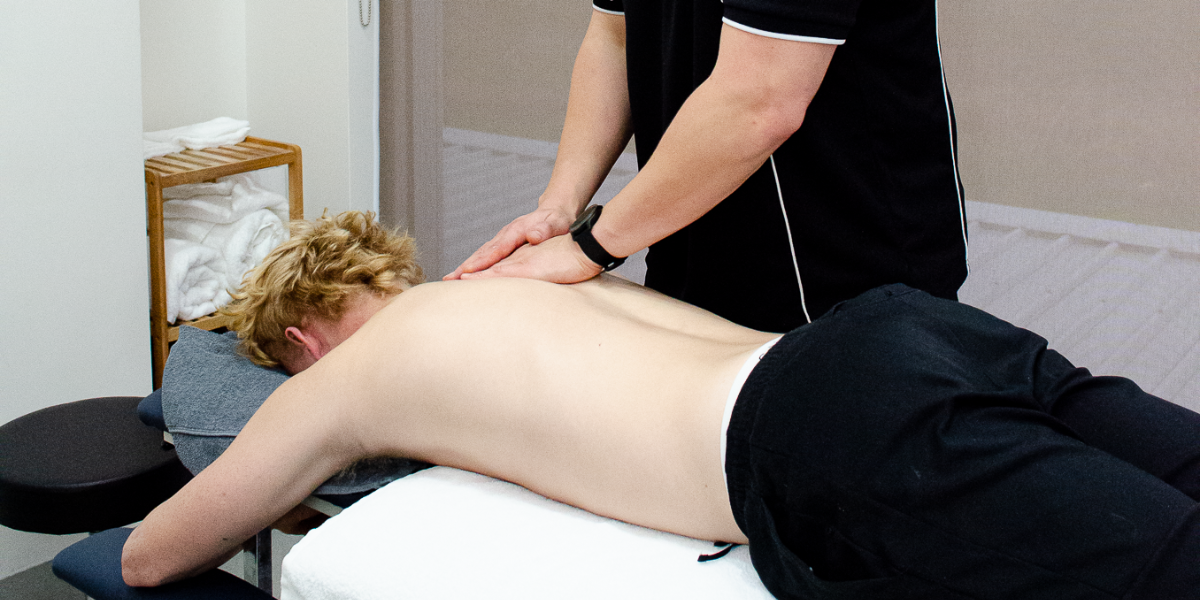
At Your Body Hub, we believe that truly effective physiotherapy goes far beyond treating the site of pain. Our practitioners take a whole-body, evidence-based approach that integrates manual therapy within a broader wellness and rehabilitation strategy tailored to each individual patient.
Many of our treatment plans include manual therapy, although this is not often applied in isolation. Our multidisciplinary approach integrates practical methods with specific Exercise Physiology to establish the stability and strength required in the long term to reduce the risk of re-injury.
We also combine Myotherapy and Dry Needling, where necessary, to incorporate deeper tissue release to patients who need more complex or chronic presentation of their case addressed through the combination of these modalities with manual physiotherapy.
In Your Body Hub, all the treatment plans start with an assessment. We do not make guesses; we determine the exact structural, neurological, and movement factors involved in causing your pain or dysfunction, and we create a program that is tailored to your body, your objectives and lifestyle.
We are currently offering an introductory physiotherapy assessment session for just $59, giving you the opportunity to experience our approach firsthand and leave with a clear pathway to recovery.
Conclusion
Manual therapy is much more than a feel-good treatment in physiotherapy. It is a very specific, clinically tested therapy that addresses the underlying causes of the patient’s pain, stiffness and limited movement. It brings actual, quantifiable outcomes that assist individuals in regaining their physical autonomy.
Whether yout have just undergone an operation, have an underlying condition such as arthritis, are experiencing an acute sports injury, or are just fed up with the inability to ease the persistent back or neck pain, then manual therapy may be the solution you seek.
The professional staff of Your Body Hub is on board to help you move freely. The only way to make life better is by making the first step in the direction of a permanent solution now.