
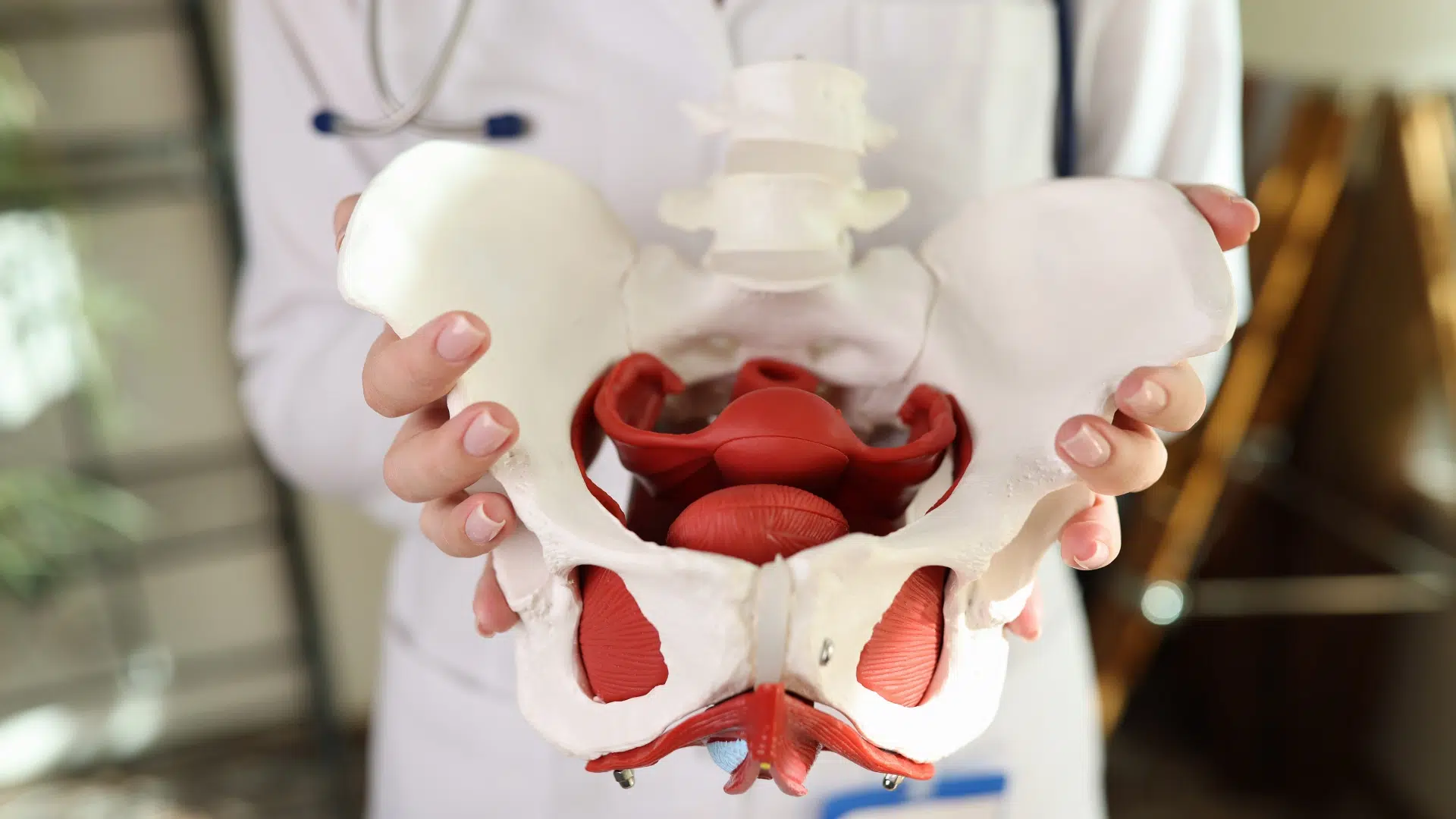
If you or someone you know is preparing for prostate surgery, you might be wondering why physiotherapy is part of the process.
It’s a common question we get asked, so let’s take a moment to break it down and explain the important role pelvic health plays before and after a prostatectomy.
What is the Prostate?
The prostate is a small gland (about the size of a walnut) that sits just under your bladder and wraps around the upper part of the urethra—the tube that carries urine out of your body. Its main job is to produce the fluid that makes up semen, helping sperm travel during ejaculation.
What Happens During a Radical Prostatectomy?
A radical prostatectomy is a surgery often performed to treat prostate cancer. During this procedure, the surgeon removes the prostate, seminal vesicles, and a portion of the urethra. Once these are removed, the two ends of the urethra are reconnected, and a catheter is inserted to allow the area to heal for about 10-14 days.
While this surgery is important for treating cancer, it can lead to temporary side effects, including urinary incontinence (bladder leakage) and erectile dysfunction.
Why Does Bladder Leakage Happen?
After a prostatectomy, most men will experience some bladder leakage, especially in the first few months. This happens because the surgery removes part of the internal sphincter that helps control urine flow. The external sphincter, which is supported by your pelvic floor muscles, can also be weakened during surgery. This makes it harder for your body to hold in urine when pressure builds up from actions like coughing, sneezing, or even standing up.
But the good news is that for most men, bladder control improves within six months—and pelvic physiotherapy can help speed up that process.
How Can Pelvic Physiotherapy Help?
Pelvic floor muscles are key to regaining bladder control and sexual function after prostate surgery. These muscles support the urethra, and exercising them the right way can make a big difference in your recovery.
We recommend seeing a Pelvic Health Physiotherapist before your surgery if possible. In this session, you’ll learn how to properly engage your pelvic floor muscles, how to care for your bladder and bowels, and what to expect during recovery. (www.racgp.org.au/clinical-resources/clinical-guidelines/handi/patient-resources/rehab-pain-management/pelvic-floor-muscle-training-for-men-prostatectomy )
After surgery, it’s important to have a follow-up appointment about a week after your catheter is removed. Your physio will check how well your pelvic floor muscles are working (either with an ultrasound or by gently palpating the area between your testicles and anus). From there, they’ll tailor an exercise program to suit your needs and goals, guiding you through different types of exercises like quick squeezes, longer holds, and movements combined with other activities (like standing up from a chair).
What About Erectile Function?
It’s common to experience erectile dysfunction after prostate surgery, but the extent and recovery time depend on factors like whether the surgery was nerve-sparing. For men whose nerves were spared, erections can start to return anywhere from 6 to 24 months post-surgery.
Pelvic physiotherapy can support this recovery, too. Strengthening your pelvic floor muscles, along with other strategies like cardio exercise and a healthy diet, can improve blood flow and help restore erectile function. Some men may also benefit from using a vacuum erectile device (VED), which can help maintain the length and health of the penis while the nerves are healing. Be sure to discuss this option with your surgeon and physiotherapist to ensure it’s safe for you.
Post-Surgery Tips for Recovery:
- Avoid heavy lifting for the first 6 weeks
- Squeeze your pelvic floor before coughing, sneezing, or getting up from a chair to help minimize leakage
- Prevent constipation by staying hydrated, eating fiber, and sitting properly on the toilet
- Drink 6-8 cups of fluid per day to avoid dehydration (which can lead to urinary infections or constipation)
- Avoid alcohol for the first 6 weeks
- Change your continence pads regularly and use a barrier cream if needed to avoid skin irritation
Finally, don’t underestimate the importance of emotional support. Prostate cancer and its treatment can take a toll on mental health. Whether it’s through friends, family, or support groups like Men’s Shed or Prostate Cancer Foundation, having someone to talk to can make a big difference.
Helpful Links: