
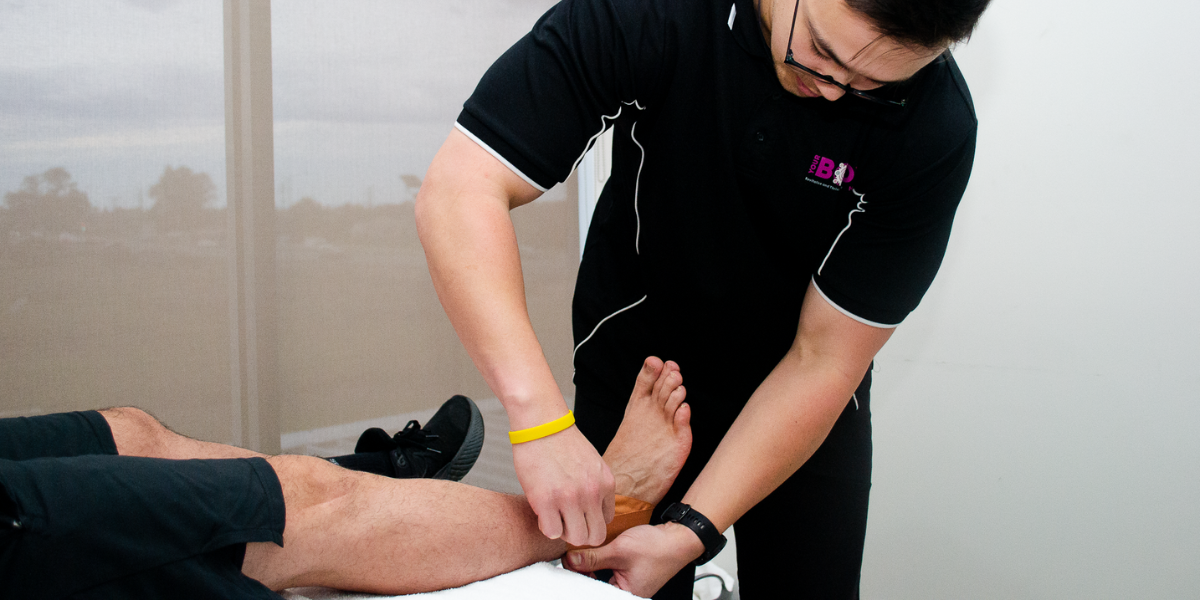
Sports and activity-related injuries affect children, teens, weekend warriors and older adults alike, often disrupting work, family life and hobbies. Thoughtful care is essential for recovering from a sports injury in a way that protects your long-term health. Evidence-based sports injury physiotherapy uses assessment, treatment and exercise to support safe, steady progress. People seeking sports injury physiotherapy Melbourne services often want relief from pain plus a clear pathway back to the activities they value most. Local allied health care in Officer, Berwick, Pakenham and surrounding areas offers that pathway close to home, which helps with consistency and confidence throughout rehab.
Why Sports Injury Physiotherapy Is More Than Just Treating Pain
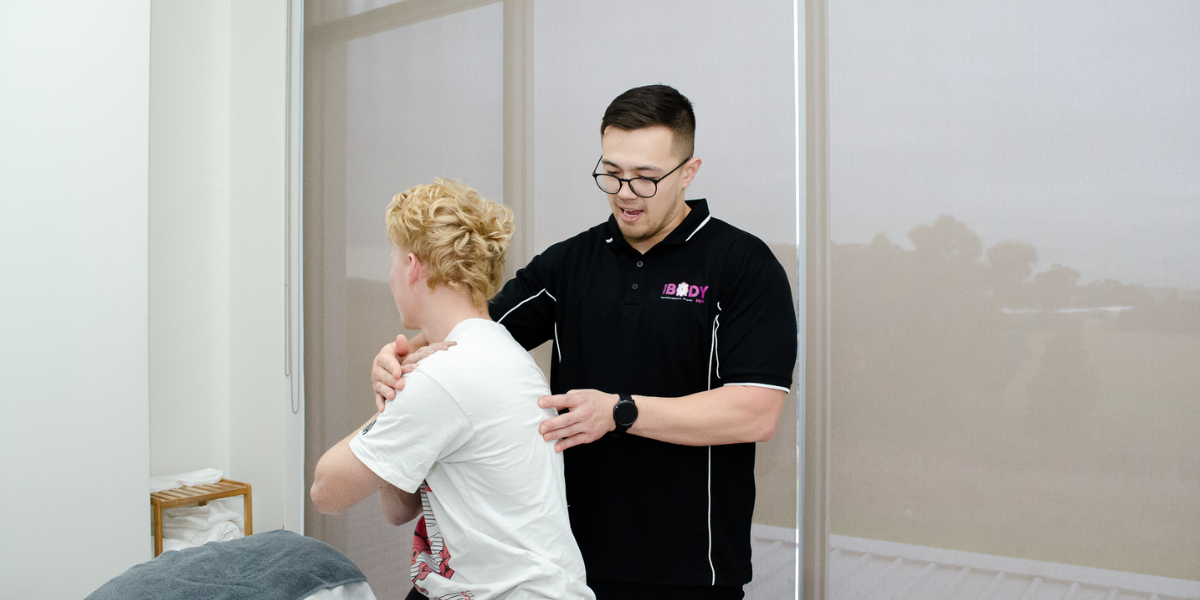
Good rehab aims to calm pain while restoring strength, mobility and trust in your body. Sports injury physiotherapy focuses on long-term movement quality so you can return to sport and daily life with less risk of setbacks. Physiotherapists investigate how the injury started, how your body moves and what demands you face. This supports athletic injury recovery that addresses the whole picture, not only the sore spot.
Treating the Cause, Not Just the Symptoms
Your physio looks at posture, running or lifting technique, muscle strength and joint control to find the real drivers of your pain. This broader perspective shapes sports injury physiotherapy that targets the real issues, not just surface-level discomfort. By correcting muscle imbalances, movement faults and joint stiffness, you build a stronger base. This creates a more reliable outcome for athletic injury recovery and future performance.
Supporting Long-Term Health and Performance
Short bursts of rest can ease pain, but they rarely create lasting change. Structured sports injury physiotherapy aims to reduce chronic niggles and support your ability to stay active across the years. With guided progression, you return to training or work feeling prepared, not unsure. This way of recovering from a sports injury builds confidence as well as physical strength.
Accurate Assessment and Diagnosis – The Foundation of Recovery
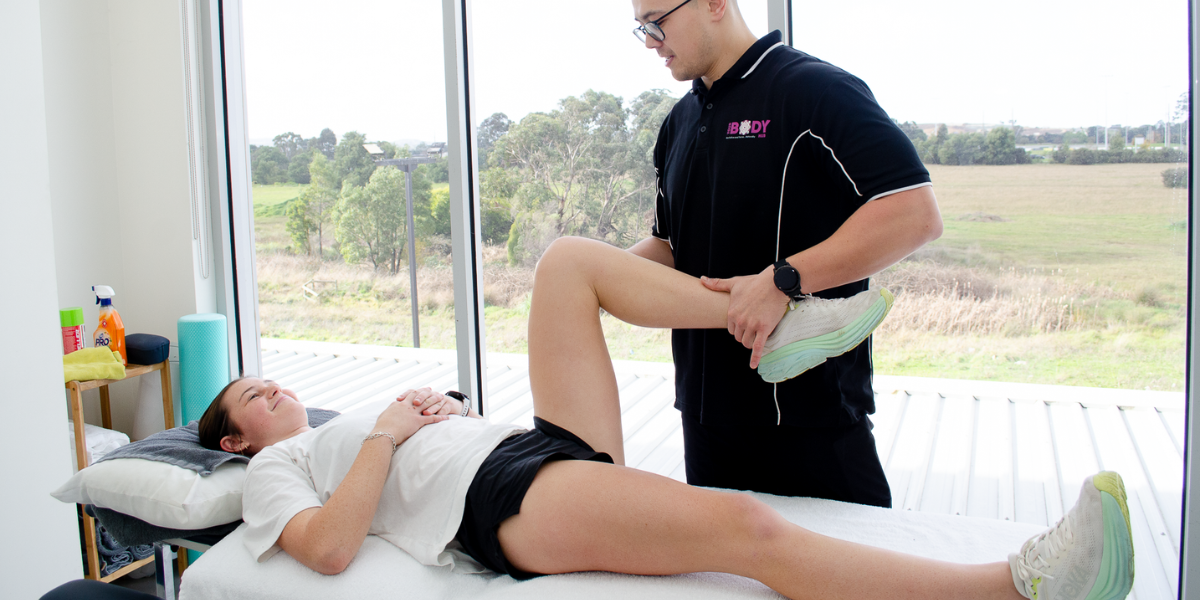
Clear diagnosis sits at the heart of effective treatment. A thorough assessment guides every stage of sports injury physiotherapy and keeps your plan focused. Through targeted tests, your physio identifies what tissue is irritated, how severe the injury is and what other areas of the body are involved. This supports safer athletic injury recovery with fewer surprises.
Comprehensive Physical Assessment
Your assessment usually includes checks of posture, walking or running style, joint mobility, strength and flexibility. These findings show which areas need protection and which need strengthening. For people using sports injury physiotherapy Melbourne services, testing often mimics real tasks such as stairs, lifting, jumping or change of direction. This makes your rehab directly relevant to daily life and sport.
Identifying the True Nature of the Injury
Different injuries heal at different speeds, so identifying whether you have a sprain, strain, tear or overuse problem is vital. With the right diagnosis, recovering from a sports injury follows a realistic, evidence-based timeframe. Your physio will explore workload, training surfaces, footwear and technique to find contributing factors. This leads sports injury physiotherapy away from guesswork and towards targeted treatment from day one.
Tailored Treatment Plans for Safer, Faster Healing
Once your assessment is complete, your physio builds a personalised program that aligns with your injury, lifestyle and goals. The plan evolves as pain settles and your capacity grows. In sports injury physiotherapy, this usually includes a mix of hands-on treatment, symptom management and progressive exercise. Each phase prepares you for the next stage of activity.
Manual Therapy for Pain and Mobility
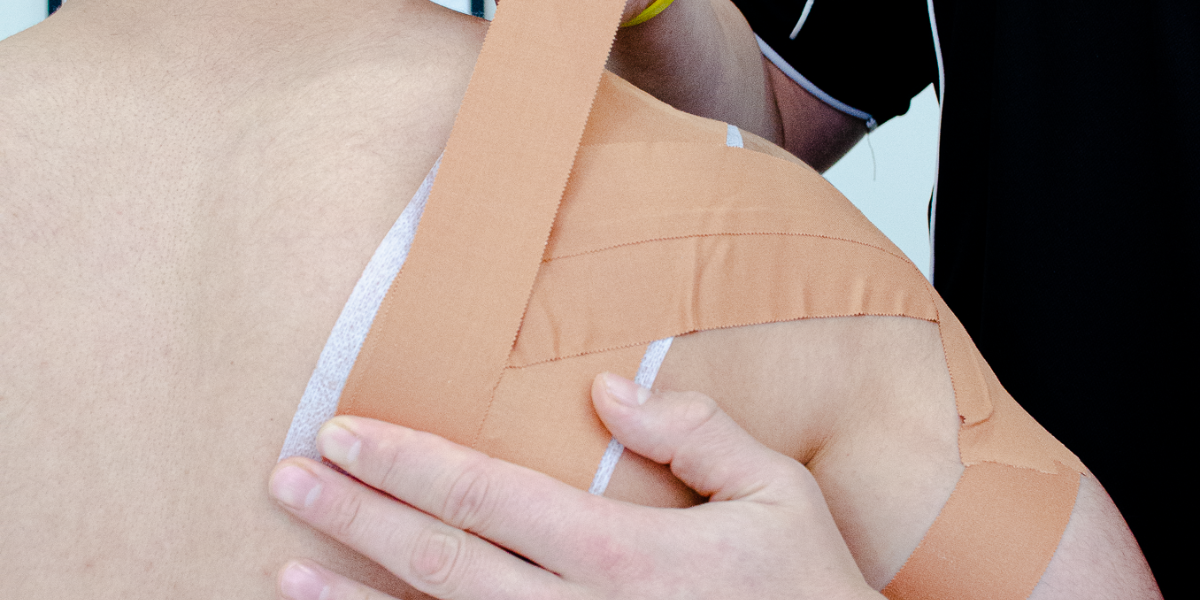
Using hands-on techniques like massage and joimobilisationiion can effectively lessen muscle tension and stiffness in your joints. This often makes it easier to move and participate in exercise-based rehab. Used within sports injury physiotherapy, manual therapy supports circulation and more natural movement patterns so that strengthening work has a better foundation.
Pain Management Techniques
Ice, heat or TENS may be recommended to support symptom relief, especially in the early stages. These tools help calm irritation so you can continue athletic injury recovery without overwhelming pain. At the same time, your physio encourages safe, modified activity rather than long periods of complete rest. This active approach is a key feature of modern sports injury physiotherapy.
Targeted Exercise Prescription
Exercise is central to long-term success. Your program starts with gentle range-of-motion work, then builds towards strengthening, balance and control exercises tailored to your needs. For those using sports injury physiotherapy Melbourne services, plans are often designed to fit home or gym settings. This supports athletic injury recovery that fits real life rather than ideal conditions only.
Progressive Rehabilitation – Rebuilding Strength and Confidence
Rehab unfolds in stages, beginning with symptom control and leading towards full sport or work performance. Skipping ahead too quickly can increase the risk of setbacks. Guided sports injury physiotherapy moves you through each phase at a pace that respects healing. This supports recovering from a sports injury with growing strength and confidence at every step.
Restoring Movement and Function
Early on, the focus sits on reducing pain and restoring comfortable movement in everyday tasks. Simple actions such as walking, squatting or reaching overhead are reintroduced in a controlled way. By rebuilding these basics, sports injury physiotherapy lays the groundwork for later sport-specific or heavier work demands.
Building Strength and Load Tolerance
Once basic movement feels comfortable, your plan shifts towards strength work. Resistance and load increase gradually, so your tissues adapt without being overloaded. This phase of athletic injury recovery prepares your body for longer runs, heavier lifts, faster changes of direction and the repetitive demands of work or parenting.
Functional and Sport-Specific Training
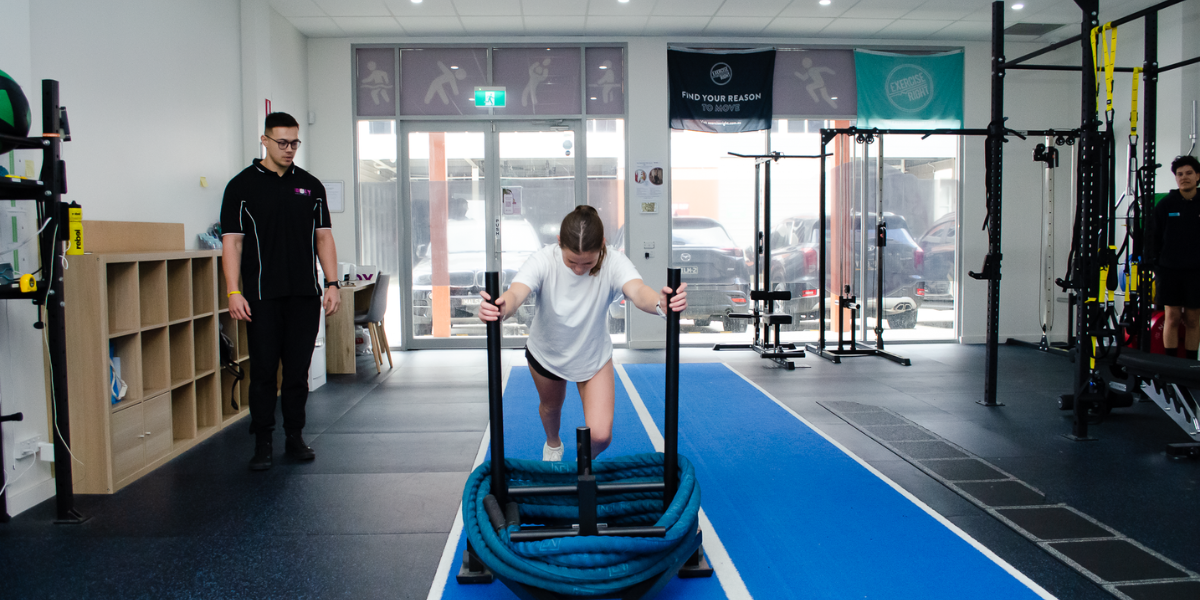
As you progress, exercises begin to mirror your actual sport, role or hobby. Drills might include cutting, jumping, landing, tackling skills or job-specific lifting patterns. Many sports injury physiotherapy Melbourne programs use this stage to connect clinic work with the real environment, helping you feel ready for full training and competition.
Education and Injury Prevention – Empowering Long-Term Results
Knowledge about your body and your injury is a powerful part of rehab. When you understand what helps or hinders recovery, you can manage your own health more confidently. Education forms a core pillar of sports injury physiotherapy, supporting smarter athletic injury recovery and better choices around training, workload and rest.
Understanding Your Injury
Your physio explains which tissues are involved, how they respond to load and what a typical healing path looks like. This clarity helps you interpret pain spikes and improvements during recovering from a sports injury. With realistic expectations, you are less likely to give up when progress feels slow and more likely to follow the plan through to the end.
Preventative Strategies for Everyday Life and Sport
You will usually receive warm-up ideas, cool-down strategies and maintenance exercises suited to your sport or daily tasks. These can reduce future flare-ups and keep you moving better. Training load planning within sports injury physiotherapy helps you increase time, distance or intensity in sensible steps, rather than jumping straight back to pre-injury levels.
Safe Return to Sport, Work and Daily Activities
Deciding when to go back to full activity can feel stressful. Returning too soon can trigger re-injury, while waiting too long can affect fitness and confidence. Physios use structured tests and clear criteria to guide this stage of sports injury physiotherapy, supporting athletic injury recovery that ends with a strong, stable return to normal life.
Functional Capacity and Readiness Testing
Readiness testing might include strength comparisons, hop tests, running drills or work-simulated tasks. These measures indicate how prepared your body is for a full load. For people using sports injury physiotherapy Melbourne services, this information helps athletes, workers and employers make informed decisions about return to play or duties.
Reducing the Risk of Re-Injury
A graded return plan usually starts with lighter activity, then partial training, then full training, then game or event exposure. Each step is monitored and adjusted as needed. This structured support during recovering from a sports injury helps catch small problems early, lowering the chance of going straight back to pain or a fresh tear.
Sports Injury Physiotherapy for All Ages and Lifestyles
You do not need to be a professional athlete to seek sports injury physiotherapy. Anyone who wants to move more comfortably, from school kids to retirees, can benefit. Families across Melbourne’s south-east frequently access sports injury physiotherapy Melbourne care for sporting injuries, workplace strains and everyday aches.
Children, Teens and Active Adults
Growing bodies are still adapting to load, which makes smart training and recovery crucial. Physios help young athletes stay involved in sport while reducing the risk of overload. For adults balancing work, family and training, tailored programs support athletic injury recovery that respects energy levels, time constraints and real-world demands.
Older Adults and Those with Chronic Conditions
Older adults may be dealing with arthritis, previous injuries or balance concerns alongside a new strain or sprain. Sports injury physiotherapy can be adjusted to respect these factors while still driving progress. Thoughtful programs support recovering from a sports injury while also improving confidence on stairs, uneven ground and during daily tasks.
Integrating Physiotherapy with Holistic Allied Health Care
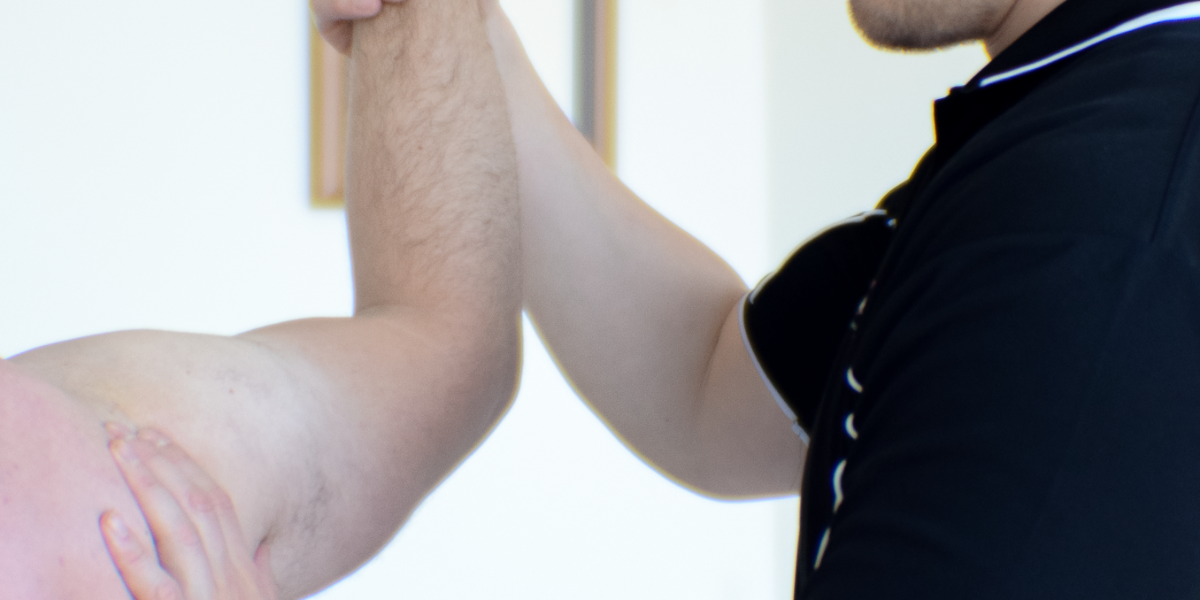
Recovery often benefits from a team approach. Working with different allied health professionals gives you access to a broad mix of skills under a single plan. Integrated sports injury physiotherapy can sit alongside exercise physiology, myotherapy, remedial massage, dietetics and wellness services for a more complete style of care.
Massage, Exercise Programs and Pain Relief
Myotherapy and remedial massage assist with muscle tightness, stress relief and comfort between physio sessions. These therapies can make it easier to participate in active rehab. Exercise physiology builds on athletic injury recovery by progressing you towards higher-level strength and fitness once the acute injury has settled.
Wellness and Preventative Health Support
Nutrition support, infrared sauna and group exercise can all contribute to recovery, circulation and mental wellbeing. These services fit well within sports injury physiotherapy Melbourne hubs that focus on long-term health. Ongoing classes and periodic check-ups help you stay ahead of niggles, turning short-term rehab into a sustainable lifestyle shift.
How Your Body Hub Supports Your Recovery
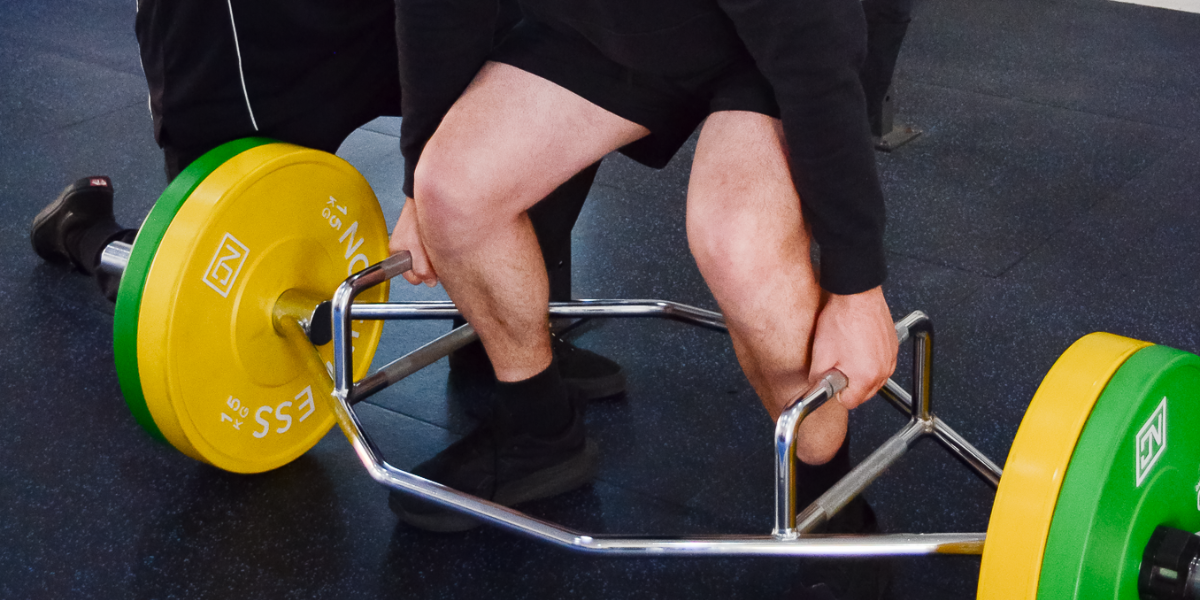
At Your Body Hub, we provide a coordinated, patient-centred approach to sports injury physiotherapy for people in Officer, Berwick, Pakenham and surrounding suburbs. From your first assessment to your final testing, we tailor your care to your sport, work and daily life so your recovery feels clear and achievable. With local sports injury physiotherapy Melbourne services and complementary therapies under one roof, we bring everything together in one welcoming space. We focus on communication, collaboration and practical planning so you always know what comes next in your rehab journey.
A Truly Integrated Allied Health Team
We work as one integrated allied health team, combining physiotherapy, exercise physiology, myotherapy and remedial massage to support your recovery. We share information and goals so your care feels seamless rather than scattered between different providers. By coordinating your sports injury physiotherapy with the right mix of hands-on treatment and exercise support, we help guide each stage of your athletic injury recovery with clarity and consistency.
Beyond Rehabilitation – Supporting Whole-Body Wellness
We do far more than short-term pain relief. At Your Body Hub, we complement sports injury physiotherapy with Pilates, strength and conditioning, active-ageing and injury-prevention classes so you can keep building capacity once your initial injury has settled. For people seeking sports injury physiotherapy Melbourne services, we offer access to an infrared sauna, dietitian support and wellness options that can help you recover, recharge and lift your overall health and resilience.
Flexible, Accessible Care for Our Community
We totally understand that life gets busy, which is why we offer flexible appointment options, support clients under NDIS and other funding programs, and provide a range of treatment pathways to suit different needs and budgets. Our goal is to make effective care as accessible and convenient as possible. From the moment you walk in to the moment you feel ready to return fully to your chosen activities, we stand beside you throughout recovering from a sports injury, offering encouragement, honest guidance and a supportive environment focused on helping you move better and live well.
Conclusion
Sports injuries can be challenging, but with structured sports injury physiotherapy, a clepersonalised and a personalised plan, most people can return to the activities they love, feeling stronger and more confident. Accurate assessment, targeted treatment, progressive rehab and good education work together to support lasting athletic injury recovery for every age and activity level. If you are recovering from a sports injury in Officer, Berwick, Pakenham or nearby suburbs, Your Body Hub is ready to help you move forward. Book with our experienced sports injury physiotherapy Melbourne team and take the next step toward steady, pain-smart movement.