
In a single moment, a stroke may alter your life. One second, you are going about your daily routine, and the next, you could be experiencing difficulties in movement, balance or coordination . The aftermath of a stroke may seem overwhelming, but there are various support options available to help you, and stroke rehabilitation with a physiotherapist is one.
At Your Body Hub, it is not only about getting back on your feet after a stroke but also about getting your independence, confidence, and quality of life back. Physiotherapy is vital in the recovery process to enable you to recover strength, relearn patterns of movement, and resume the activities that may be of most interest to you.
This blog will take you through the process of stroke recovery physiotherapy, and demonstrate how each step leads to another as you make significant progress in your recovery..
Whether you are a loved one helping someone recover, or you may be working through your own recovery process, this blog can help you better understand the recovery process.
What is Stroke Rehabilitation?
Stroke rehabilitation is a therapeutic process that involves utilising the whole body and brain to relearn the skills that were impaired by the stroke.
The stroke interferes with the blood supply to a section of the brain, and this may injure the neuronal routes that regulate movement, sensation, sense of balance, and coordination. Rehabilitation aims to remodel these pathways and make the most of your functional independence.
Following a stroke, you may find yourself facing a set of issues comprising:
- Mobility limitations: Inability to walk or move one side of your body.
- Balance problems: Feeling unsteady or at risk of falling.
- Muscle weakness or paralysis: Especially on one side (hemiparesis or hemiplegia).
- Spasticity: Muscle stiffness or involuntary contractions.
- Coordination difficulties: Trouble with fine motor skills or smooth movements.
- Altered sensation: Loss of sensation or decreased sensation in the areas.
- Fatigue: Constant exhaustion, which influences everyday life.
The good news is that early and consistent interventions can significantly improve outcomes. There is amazing plasticity of the brain; it can rearrange and create new connections with the rest of the brain. Physiotherapy utilises this neuroplasticity to restore your functionality and independence through specific exercises and repetition.
Stages of Stroke Rehabilitation
Stroke rehab exercises are well-designed to go through different phases sequentially, building activities on top of each other. We will see the stages of stroke rehabilitation and what we can anticipate at every step.
-
Initial Assessment & Early Mobilisation
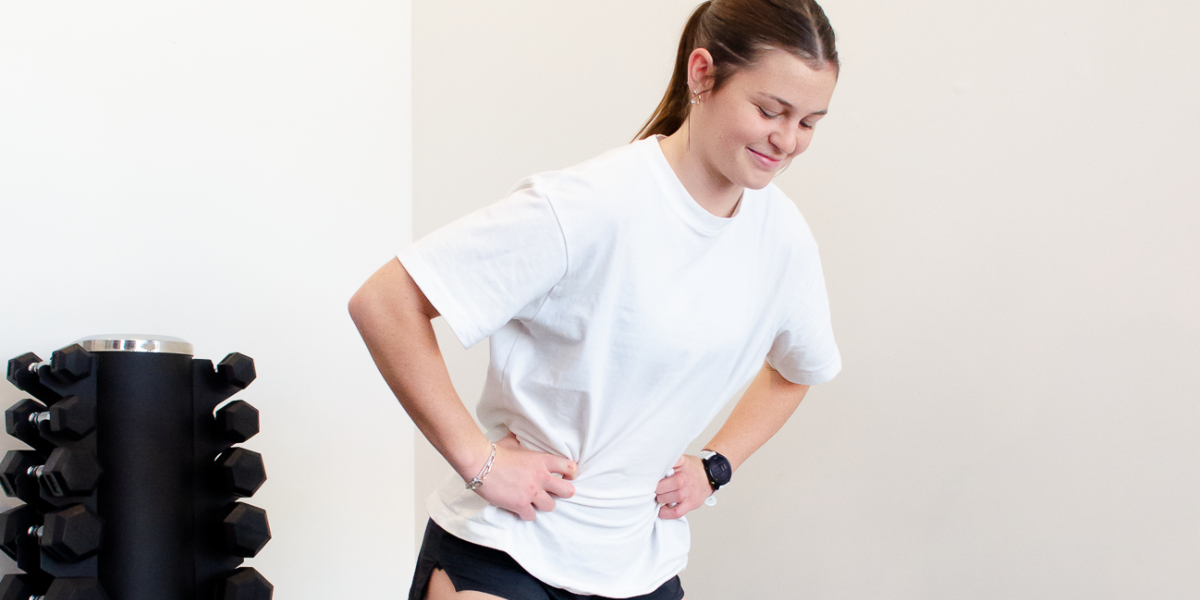
The process of stroke recovery starts with a complete stroke rehab assessment. At Your Body Hub, our physiotherapists assess your present capabilities, identify your particular impairments, and learn about your individual ambitions.
This assessment will examine your strength, sensation, balance, coordination, and functional capacity to create a customised treatment plan.
It is important to mobilise early, even when you are still in acute care or in the hospital. With the assistance of your physiotherapist, you will be able to sit up, move out of bed to a chair, and start making some gentle movements.
Early intervention helps to prevent such complications as pressure sores, blood clots, and muscle contractures and even jumpstart your process of recovery.
-
Range of Motion & Flexibility
At an early age, it is important to keep and enhance your range of motion. Muscles will become tight and stiff when they are not exercised regularly, which will lower your potential to recover in the future. Our physiotherapist will take you through:
- Passive range of motion exercises: These are exercises in which the therapist performs the movements of your limbs.
- Active-assisted exercises: Assisting you as much as you can help.
- Stretching programmes: To avoid tightness and to keep elasticity.
These exercises will make sure that your joints are kept moving and that your muscles are kept supple, which will form a foundation for the more advanced actions that will be practised afterwards.
-
Strength & Muscle Training
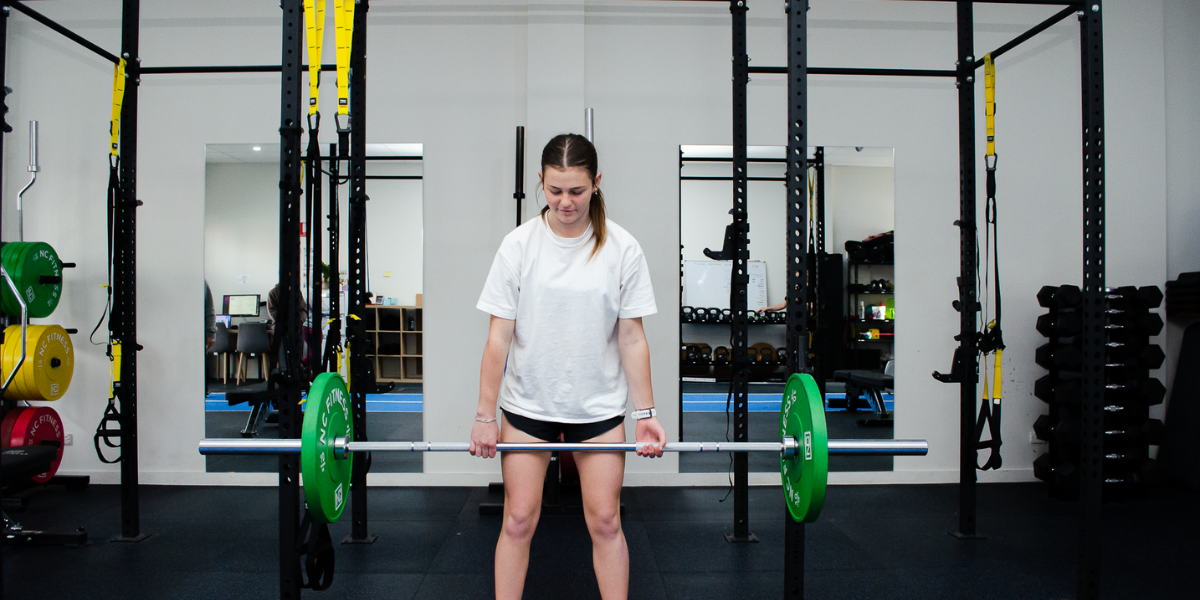
Strength is something that develops as you advance. A stroke tends to leave a person weak, especially on one side of the body. Our stroke recovery physiotherapy programme will incorporate:
- Gradual resistance workouts in accordance with your existing capabilities.
- Functional strengthening that mimics real-life movements.
- Balance and overall movement training through core stability training.
- Activities on the affected and not affected sides to avoid patterns of compensation.
Strength training can restore your muscles to work correctly and be strong enough to accomplish even the simplest activities of standing up out of the chair, carrying groceries or walking on the stairs.
-
Balance & Coordination
Balance training after a stroke is vital in preventing falls and gaining back confidence in movement. Strokes can affect complex mechanisms that help you to maintain movement in an upright and stable posture, such as your Vestibular system, body awareness, proprioception, and muscle coordination.
You will be advanced by our physiotherapist through more difficult balance exercises:
- Static balance exercises (standing still with varying support).
- Moving with stability (moving about without falling over).
- Dual-task training (balancing while performing another task).
- Perturbation training (training to react to non-planned difficulties with your balance).
These activities recondition your nervous system to stabilise itself during its day-to-day activities.
-
Functional Mobility & Gait Training
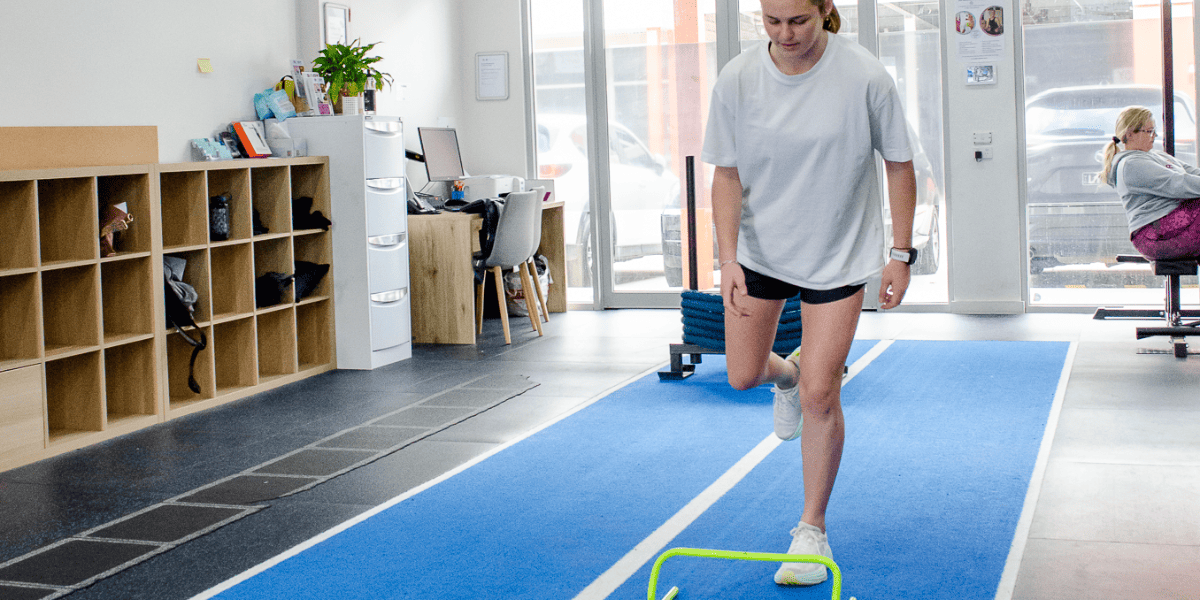
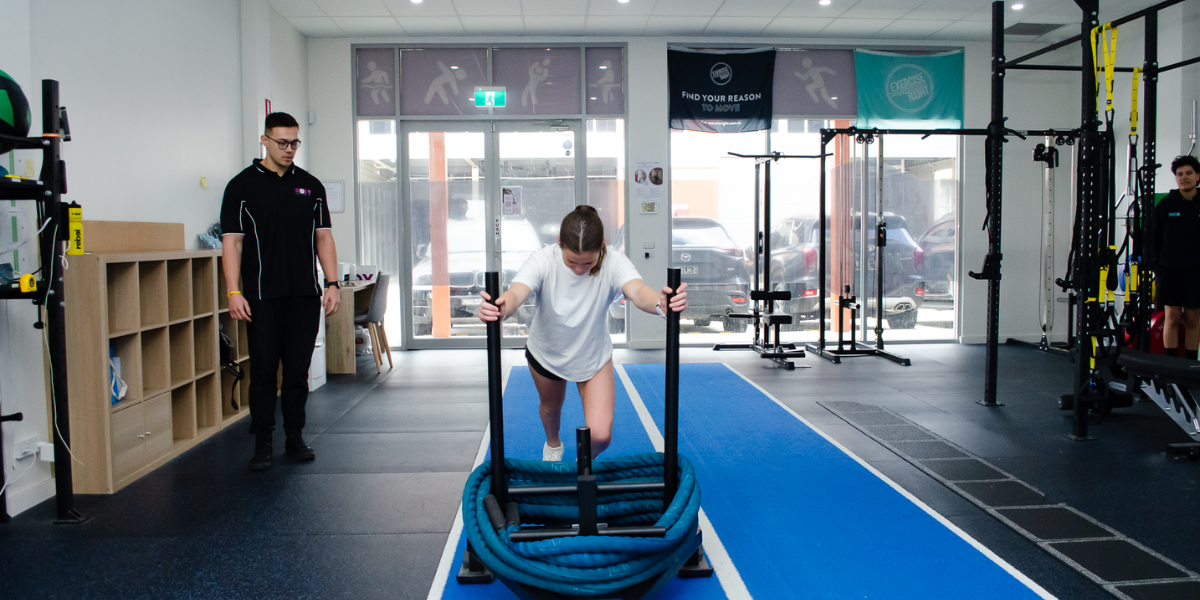
Gait training after stroke aims at assisting you to walk again safely and efficiently. Walking is an elaborate exercise that involves the coordination of various muscle groups, time, and good balance. Our physiotherapist will work with you on:
- Exercises that help you to shift weight between legs.
- Step practice as a way of regaining walking patterns.
- Training (as may be required) on the use of assistive devices such as walkers, canes, support devices, etc.
- Surface training on various surfaces such as stairs, ramps and rough surfaces.
- Endurance building to increase your walking distance and stamina.
It aims to enable you to walk as freely and safely as possible, either with or without the use of adaptive equipment and with high confidence.
-
Task-Specific Training
Task-specific training stroke rehab is where everything comes together. This strategy means doing the very activities you wish to know how to do, such as to reach for things, cook, dress, garden, or do any other activities of daily living
The principle is easy yet effective, the best way to relearn a particular activity is through repetition.
Our physiotherapist will break down complex tasks into smaller pieces, practice them in different situations, and increase their difficulty as you improve.
Key Physiotherapy Techniques Used in Stroke Rehab
-
Task-Specific Training
As it was stated previously, one of the best practices in stroke rehabilitation in modern times is task-specific training. When you engage in realistic movement activities in the real-life setting, you are reinforcing the precise brain circuitry that you will be using in everyday life.
Whether it is picking up a cup, walking over a hurdle or rotating during a walk, the repetition of useful exercise is part of the pursuit of recovery.
-
Strength and Conditioning
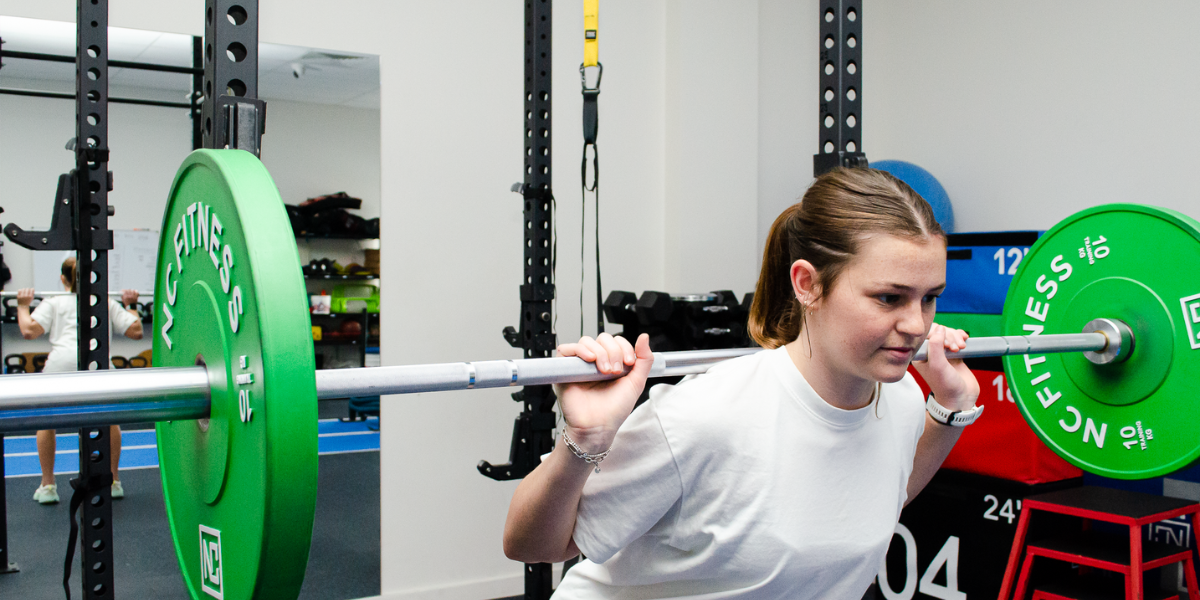
Conditioning and strength programmes have been developed to overcome the weaknesses of the muscles that result from a stroke. Exercises created by our physiotherapist are designed to be sufficiently challenging for your muscles, and they will become increasingly difficult as you gain strength.
This programme can also include resistance bands, weights, bodyweight exercises, or functional activities that strengthen and improve coordination.
-
Balance and Coordination Drills
Specific exercises address the balance and coordination impairments that result from stroke. They may involve standing on various surfaces, reaching in various directions without falling over, walking with head turns or going through obstacle courses.
Every exercise is well chosen to meet your specific problems and gradually test your skills.
Benefits of Physiotherapy for Stroke Recovery
-
Prevents Complications
Stroke rehabilitation physiotherapy is very crucial in preventing secondary complications. Frequent movements and exercise decrease the risk of:
- Deep vein thrombosis (blood clots).
- Pressure ulcers from prolonged immobility.
- Pneumonia from reduced activity.
- Joint contractures and frozen shoulder.
- Muscle atrophy and further weakness.
- Cardiovascular deconditioning.
Prevention is key to restoration in terms of your health and recovery course.
-
Improves Mobility & Independence
The ultimate goal of physiotherapy is to help you regain as much independence as possible. By systematically progressing through the stages of stroke rehabilitation, you will rebuild the physical capabilities needed for daily life. Whether that means returning to work, managing your own self-care, or enjoying recreational activities, improved mobility opens doors to a fuller life.
-
Boosts Confidence
The goalof the physiotherapy process is to aid you to the greatest extent of independence possible. By following an orderly process of moving through the phases of stroke rehab, you will restore your physical abilities to get you through the day. Improved mobility opens up a broader life, whether that means going back to work, taking care of yourself, or having recreational activities.
Why Choose Your Body Hub for Stroke Rehabilitation Physiotherapy
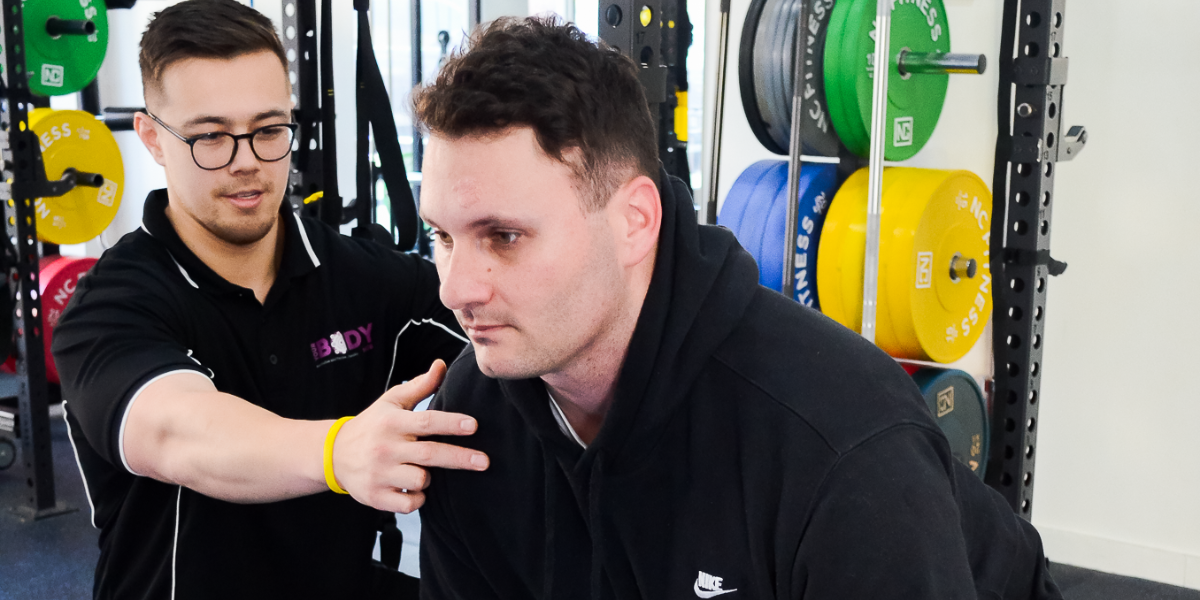
At Your Body Hub, we are determined to ensure that you receive outstanding, evidence-based stroke rehabilitation physiotherapy to suit your needs and objectives. Our physiotherapists understand that each stroke is unique and that recovery is a unique process.
We offer:
- Comprehensive stroke rehab assessments to identify your specific needs
- Individualised treatment plans based on the latest research and best practices.
- Progressive programming that evolves as you improve.
- Functional, goal-oriented therapy that works on the things that are the most important to you.
- Supportive, compassionate care throughout your recovery journey
We think that quality rehabilitation should be available. This is one of the reasons we are proud to provide physiotherapy services at only $59*, thus giving you a chance to receive the regular treatment that you require to achieve maximum recovery.
Conclusion
Recovering from a stroke is undoubtedly a marathon, not a sprint. The process is long and demanding, and it should be accompanied by the appropriate support system.With organised stroke rehabilitation physiotherapy, you are able to achieve significant developments in microsteps and microstages.
If you’re in the early stages of recovery or looking to continue improving months or years after your stroke, professional physiotherapy guidance makes a significant difference.
The right gait training after stroke, targeted balance training after stroke, and personalised task-specific training can enable you to accomplish the goals that you may have believed to be unattainable.
Book a comprehensive stroke rehabilitation assessment at Your Body Hub today. Our expert physiotherapists are here to support you every step of the way, helping you reclaim your strength, mobility, and independence.